
Gut – Skin Axis: Eczema
Gut health is critical for skin health. We have recently written about the gut-skin axis, psoriasis, psoriasis treatment, and rosacea. Today we look at eczema, another skin condition related to the gut-skin axis.
In this blog, you will learn:
- What is eczema?
- How is eczema related to the gut and the gut-skin axis?
- What are the triggers for eczema?
- How can eczema be treated naturally?
What is Eczema?
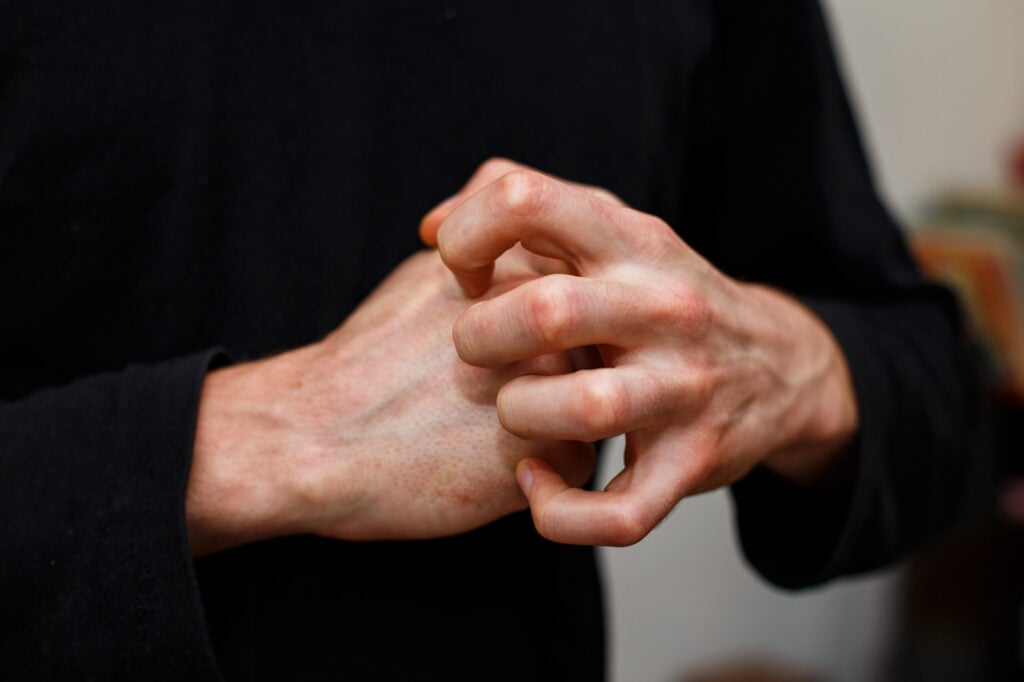
Eczema is a non-contagious chronic inflammatory skin condition. It causes dry, itchy, scaly and inflamed patches or blisters. There are different types of eczema. Atopic dermatitis (AD) is the most common type and represents up to 80% of eczema cases. We will primarily address AD in this blog. Other eczema types may have different triggers and require tailored management strategies.
Typically, symptoms first develop in childhood. AD is prevalent in 25% of children and 7–10% of adults (Wang Y, 2024). It is often the first indicator that someone has allergies, which can progress from eczema to allergic rhinitis (hay fever), allergic conjunctivitis (itchy red eyes related to hay fever) and asthma.
Eczema & the Gut–Skin Axis
Gut bacteria diversity and composition is closely related to allergic diseases like asthma, food allergies and atopic dermatitis (Nekrasova AI, 2024). Dysbiosis in the gut or skin microbiome is the common issue that can lead to eczema. Dysbiosis is when the gut or skin microbiome is out of balance. It can be a case of too many bad bacteria, not enough good bacteria and/ or not enough diversity of bacterial species. The imbalance decreases bacterial diversity. Lower beneficial bacteria usually results in more pathogenic bacteria in the gut. Low bacterial diversity is associated with immune-mediated disorders because gut health, gut bacteria and immune cells all impact the immune system.
Dysbiosis impairs gut function, lowers gut bacteria diversity and decreases SCFA (short chain fatty acids) production. Certain strains of good bacteria produce SCFAs. With more pathogenic bacteria and lower levels of good bacteria, less SCFAs are produced. This creates a cycle of inflammation and dysbiosis. Dysbiosis is damaging to the gut lining and to immune function. Dysbiosis can lead to leaky gut and abnormal immune function. People with AD likely have dysbiosis, leaky gut and low production of SCFAs. A leaky gut lets toxins and pathogens pass through the gut lining which systemically increases pro-inflammatory cytokines. People with AD have high levels of the antibody IgE and mast cells. With an allergy, the immune system overreacts to a harmless substance (an allergen) and produces IgE antibodies against it. These IgE antibodies and mast cells can damage the gut lining, cause an inflammatory response and trigger allergy symptoms.
Gut bacterial diversity and abundance is critical for good health. Healthy people have more diversity and abundance of bacterial species in the gut microbiome. They have more protective bacteria such as Prevotella, Lactobacillus, Streptococcus, Bifidobacterium and Faecalibacterium (Díez-Madueño K, 2024).
People with eczema have lower diversity and more pathogenic bacteria (Díez-Madueño K, 2024). Certain bacterial species are more common in people with eczema.
- Children with AD have lower diversity of gut microbes compared to healthy children.
- People with eczema have less abundance of SCFA-producing bacteria.
- People with eczema have higher levels of Clostridium difficile, Escherichia coli and Staphylococcus aureus in the gut microbiome (Díez-Madueño K, 2024).
- Good bacteria like Bifidobacteria, Bacteroidetes and Bacteroides are lower in those with AD (Nekrasova AI, 2024).
Lower Short Chain Fatty Acids or SCFAs
The primary SCFAs are acetate, propionate and butyrate. SCFAs a are produced by good gut bacteria.
SCFAs reduce inflammation and regulate immune function. SCFAs decrease pathogenic bacteria species and break the dysbiosis-inflammation cycle (Díez-Madueño K, 2024).
Butyrate and other SCFAs reduce inflammation in the gut and other parts of the body. They influence immune cell activity and inhibit the production of pro-inflammatory cytokines. SCFAs support the growth of beneficial bacteria and a strong gut barrier function. In the case of dysbiosis, the fewer good bacteria produce fewer SCFAs. This can weaken and damage the gut lining and potentially worsen inflammatory skin diseases.
Lower butyrate and propionate levels are associated with AD (Díez-Madueño K, 2024). Butyrate encourages immune cells to promote immunotolerance. In AD, dysbiosis and the lower SCFA production can cause an increased inflammatory response (Díez-Madueño K, 2024).
Leaky Gut & Immune Activation
With dysbiosis, the gut lining may become permeable or leaky. A leaky gut lets toxins (like bad bacteria, lipopolysaccharides) leak into the bloodstream. The toxins leak out and then circulate throughout the body. This activates the immune system and, in the case of a leaky gut, happens repeatedly. The constant activation and eventually overactivation of the immune system creates inflammation, contributes to inflammatory conditions and possibly starts an autoimmune process.
The inflammatory response triggered by an overactive immune system can be seen anywhere in the body. In the case of eczema, it is the skin that is affected. Gut inflammation caused by leaky gut can weaken the protective function of skin, which can increase inflammation and worsen eczema symptoms.
Autoimmune Process?
Neither eczema nor atopic dermatitis is considered an autoimmune disease, though it does involve the immune system. The immune system influences the inflammation and itching associated with eczema. But the immune system in this case does not target a specific body part/organ as it does in autoimmune conditions. In autoimmune diseases, the immune system mistakenly attacks the body’s own healthy tissues or cells. Instead, eczema involves a dysregulated gut-skin axis and an overactive and inflammatory immune response to various triggers. Eczema is not classified as an autoimmune disease.
The Skin Microbiome
The gut-skin axis, the skin microbiome and the gut microbiome influence the immune system and skin barrier. A weak skin barrier can affect skin health. In atopic dermatitis, there is an issue with the skin barrier, inflammation and dysbiosis of the skin and gut. A dysbiotic or imbalanced skin microbiome affects the immune system and stimulates inflammatory reactions which can present as AD (Mazur M, 2023).
In AD, the skin barrier is dysregulated, possibly because substances needed for epithelial (i.e. skin) health and integrity may be dysfunctional (Kolb & Ferrer-Bruker., 2023). As in the gut microbiome, the good bacteria of the skin protect the skin from pathogens and keep the immune system in balance. This avoids an excessive immune response and inflammation. Some good skin bacteria produce antimicrobial substances that fight pathogens to reduce the number of bad skin bacteria. A strong skin barrier limits inflammation (Mazur M, 2023).
A dysbiotic and damaged skin barrier lets allergens and toxins penetrate the skin and allow pathogenic microorganisms to colonize the skin. This causes inflammation through an overactive immune response (with increased cytokines). Scratching the skin can also stimulate inflammatory cytokines (Kolb & Ferrer-Bruker., 2023).
In eczema, there are less anti-microbial peptides in the skin. This allows colonization by the pathogenic bacteria Staphylococcus aureus. This is seen in over 90% of atopic dermatitis patients (Kolb & Ferrer-Bruker., 2023). Staphylococcus aureus is a type of bacteria commonly found on human skin. S. aureus may worsen inflammation and cause an excessive immune response. This weakens the skin barrier (Mazur M, 2023). It is not clear whether people transfer S. aureus bacteria with their hands by scratching, or whether immune system deficiencies allow for the colonization of S. aureus. Strains of S. aureus isolated from AD patients were found to secrete exotoxins which damage the skin barrier (Mazur M, 2023).
To Read About Blog Topic, Scroll Down
Want To Work With Our Clinic?
Do you have a chronic or mystery illness that no one has been able to help you with? Are you simply wanting to re-connect with a healthier version of yourself? It’s Time To Finally Feel Better!
What else Triggers Eczema?
Apart from dysbiosis and issues with the gut /skin barriers, common triggers for eczema are:
- Dry skin: Especially in winter or with low humidity
- Irritants: Soaps, detergents, fragrances, cleaning products
- Allergens: Dust mites, pollen, pet dander, some foods
- Fabrics: Rough fabrics, wool and synthetic materials can be irritating. Windproof fabrics can promote bacteria. Clothes made of natural, breathable materials like cotton or linen are better for eczema skin.
- Stress: Physical and emotional stress can worsen eczema. Stress negatively impacts gut health, the immune system and skin barrier function.
- Temperature changes: Heat, cold and humidity can trigger flare-ups.
- Sweat: Can irritate the skin, especially when combined with friction.
- Infections: Bacterial or viral infections can increase inflammation.
- Sunlight: Can worsen eczema for some people.
Food allergies can trigger eczema. Of people with eczema, 48.4% have a food sensitivity and 37.2% have a food allergy (Christensen MO, 2023). Food hypersensitivity causes or exacerbates atopic dermatitis in 10-30% of patients. 90% of these reactions or flares are caused by 5 foods: eggs, milk, peanuts, soy and wheat (Kolb & Ferrer-Bruker., 2023).
Possible Food Allergens are:
- Dairy: Cow’s milk, cheese, yogurt, other dairy products
- Eggs: Eggs, particularly the whites
- Gluten in wheat / wheat products
- Soy products: Tofu, soy milk and edamame
- Peanuts are a common food allergy
- Tree nuts: Almonds, walnuts, cashews
- Fish & Shellfish
- Citrus fruits: Oranges, lemons, grapefruit
- Tomatoes & tomato-based products
- Spices: Cinnamon, cloves, vanilla
Treatment for Eczema
Treating eczema requires improving gut health. The gut dysbiosis and leaky gut that are at the root of eczema can be addressed using functional medicine:
- Remove the bad: inflammatory foods, yeast and bacterial overgrowth, parasites and other irritants. Eliminate the specific allergens that trigger eczema.
- Replace the good: digestive enzymes and other elements for good digestion that may be deficient. Follow a nutrient-dense anti-inflammatory diet.
- Re-inoculate: add beneficial bacteria back into the gut. Take probiotics for healthy digestion.
- Repair the gut lining: add nutrients that promote gut healing and balance vitamin intake.
At Medicine with Heart, we can take you through a gut repair protocol and help improve or even eliminate a case of eczema.
Specific healing steps include an anti-inflammatory gut-friendly diet and probiotics.
Diet
Diet can affect AD through its impact on the gut microbiome. For example, gluten can damage the gut lining, cause leaky gut and potentially create an abnormal or even autoimmune immune response (Mahmud MR, 2022). Remove eczema triggers and eat an anti-inflammatory diet.
Focus On:
- Omega-3 Foods: Fatty fish (wild salmon, mackerel, anchovies, sardines, herring), flaxseeds, walnuts, chia seeds.
- Fruits & Vegetables
- Clean protein sources from animal foods
- Healthy Fats: Olive oil, avocado
- Fermented foods with natural probiotics (kefir, yogurt, sauerkraut etc.).
- Prebiotics with fiber to feed good gut bacteria (onions, bananas, asparagus, legumes)
Limit or Avoid:
- Common Allergens/Triggers: Dairy, gluten, soy, eggs, peanuts, tree nuts, shellfish, citrus fruits, tomatoes.
- Foods that Increase Inflammation: Sugar, processed foods, alcohol, vegetable oils.
- Foods to Monitor: Reintroduce eliminated foods one at a time to see if they trigger a reaction.
Probiotics
- Probiotics significantly lower the risk of eczema (Sun S, 2022). They can help reduce infant eczema and atopic eczema (Sun S, 2022).
- Taking probiotic supplements containing Lactobacilli bacteria regularly during pregnancy, or as an infant, can lower the risk of eczema in children (Mazur M, 2023).
- In research, babies given the probiotics Lactobacillus rhamnosus and Bifidobacterium animalis every day for 6 months were less than 50% likely to develop eczema during that time as those who didn’t take the supplements (Schmidt RM, 2019).
- When mothers supplement probiotics, it can also significantly decrease the risk of eczema and atopic eczema in babies (Sun S, 2022).
- Probiotics are effective in eczema prevention in children less than 2 years old (Sun S, 2022).
How do Probiotics Work?
Probiotics are supplements containing live gut bacteria. The most common probiotic strains are Lactobacillus and Bifidobacterium bacteria. Probiotics change and improve the composition and function of an unhealthy or dysbiotic gut. Probiotics address and improve the underlying gut dysbiosis which can help control AD symptoms. For example, Bifidobacterium colonize the skin and crowd out bad bacteria like S. aureus and other pathogenic microorganisms (Mazur M, 2023). The probiotics Lactobacilli and Enterococci can improve gut dysbiosis and help treat gut problems linked to low SCFA production (Mahmud MR, 2022).
By rebalancing the microbiome, probiotics significantly improve eczema symptoms. They colonize the gut and prevent pathogenic bacteria overgrowth. This breaks the dysbiosis–inflammation cycle (Díez-Madueño K, 2024). Improving gut health and reducing dysbiosis with probiotics helps build the immune system and immunotolerance. Probiotics increase the number of good bacteria. Good bacteria can produce more SCFAs. More SCFAs can stimulate a positive immune response and reduce inflammatory cytokines that create inflammation.
Probiotics helps treat AD and, unlike many medications, do not have adverse effects (Díez-Madueño K, 2024).
Prebiotics
Prebiotics are high fiber foods that feed the good gut bacteria. This helps to increase SCFAs like acetate, propionate and butyrate, which help to decrease gut inflammation. Prebiotic foods are onions, garlic, leeks, bananas, apples, asparagus, legumes like chickpeas and lentils, and whole grains.
Light Therapy
Ultraviolet (UV) phototherapy uses controlled doses of ultraviolet light to treat various skin conditions. It exposes skin to specific wavelengths of UV light to reduce inflammation and control the overactive immune system response. This is beneficial with conditions like eczema, psoriasis and others (Mazur M, 2023). For eczema, ultraviolet phototherapy can help reduce S. aureus colonization in eczema-prone skin. This protects against the negative effects of S. aureus and reduces toxins produced by S. aureus bacteria (Mazur M, 2023).
If you are suffering from symptoms of eczema or other skin issues then get in touch with us at the Medicine with Heart clinic. We can help you to best manage and optimize your gut-skin health!
Are You Suffering From A Chronic Illness?
Does your current health situation look like this…
- Do you feel that you have tried many things and either nothing works, or the treatment does not hold?
- Have you been told that there is nothing that can be done to reverse your illness and you just need to manage symptoms?
- Does your illness impact your work, your family, your happiness and your social life?
We specialize in finding answers and solutions for complicated chronic illness when people feel like they have tried everything. If this sounds like you, book a free call with us to see if we are the right fit for your health goals.