
Iron Deficiency Anemia
Iron Deficiency Anemia
Did you know that there are different types of anemia? Today we look at iron deficiency anemia.
Our previous blogs on B12 deficiency anemia and pernicious anemia explain the negative effects on health that anemia can cause. In this blog, we look at iron deficiency anemia. You will learn:
- What is iron deficiency anemia
- What are the symptoms and causes of iron deficiency anemia
- How is it diagnosed and what is the treatment for iron deficiency anemia
What is Iron Deficiency Anemia?
Iron cannot be made in the body. It is absorbed from food. Iron deficiency anemia is anemia caused by a deficiency in the mineral iron.
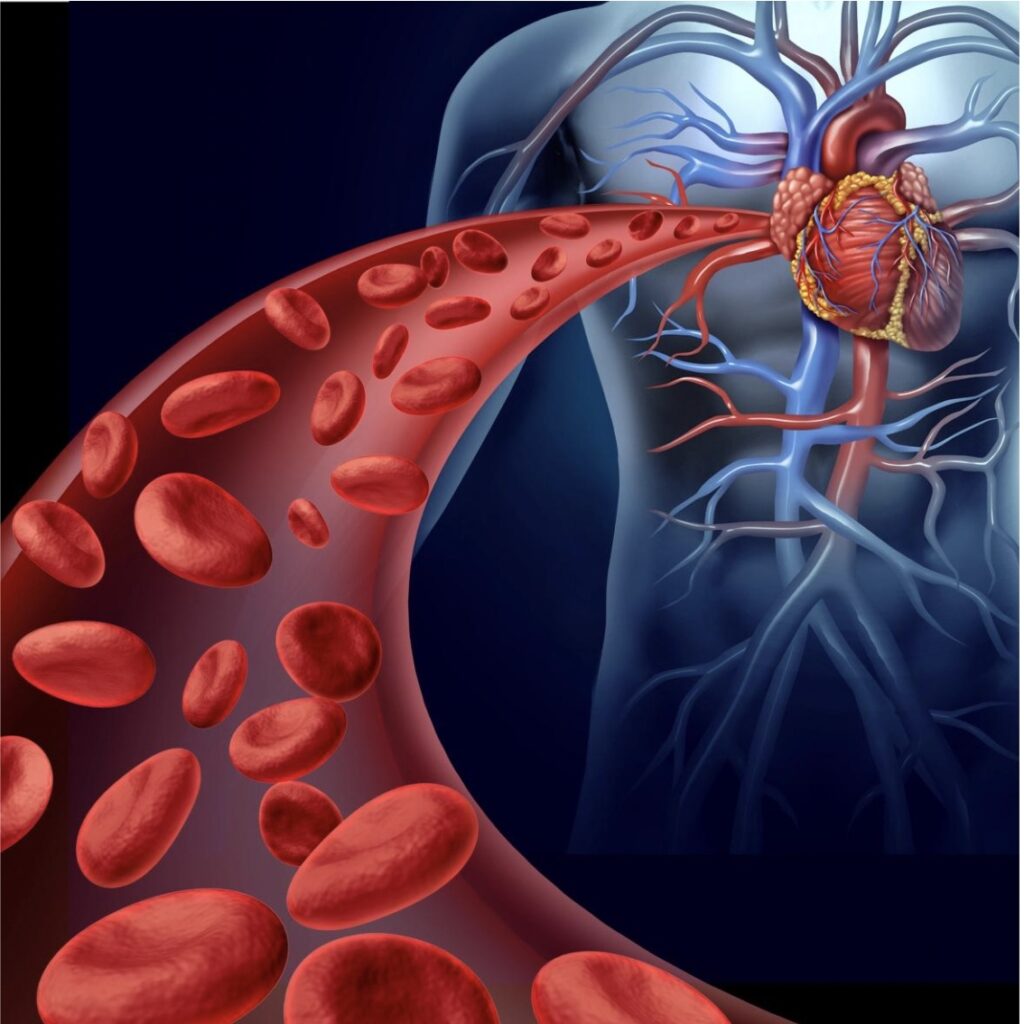
Iron is essential for transporting oxygen in the blood to organs and tissues. All cells and all systems in the body use oxygen to make ATP. ATP is the cellular energy that cells need to function and perform cellular processes, such as muscle contraction, nerve impulse generation and chemical synthesis and reactions. With oxygen, the body can move muscles, digest food, think and function optimally.
If iron is too low, oxygen transportation is severely restricted and anemia can develop. In iron deficiency anemia, the body cannot make enough hemoglobin and myoglobin.
- Hemoglobin is a protein that uses iron to bind oxygen in red blood cells. It carries oxygen around the body to tissues so that cells can make ATP.
- Myoglobin is a protein that transports oxygen from the bloodstream to muscles. Muscles need oxygen to produce energy and function properly.
Iron is needed to make some hormones. It is involved in producing and regulating estrogen, thyroid hormones and cortisol. It is important for healthy muscles, bone marrow and organ function.
Iron deficiency can progress from low iron levels to outright iron deficiency anemia.
Is Iron Deficiency Anemia Common?
- Iron deficiency anemia affects 14% of adults in the US (Auerbach M, 2025).
- Women and people of low socio-economic status have the highest risk of iron deficiency anemia (Auerbach M, 2025).
- 13% of reproductive-age women have iron-deficiency anemia and 38% of reproductive-age women have iron deficiency without anemia (Auerbach M, 2025).
- 84% of pregnant women have iron deficiency in the 3rd trimester of pregnancy(Auerbach M, 2025).
- 2 billion people worldwide have iron deficiency anemia (Auerbach M, 2025).
What Are The Symptoms of Iron Deficiency Anemia?
Symptoms of iron deficiency anemia vary depending on the severity of the iron deficiency. They include:
- Fatigue, lack of energy, tiring easily
- Abnormal paleness, pale skin
- Irritability, depression
- Increased heart rate
- Sore or swollen tongue
- Shortness of breath
- Cold hands/ feet, intolerance to cold
- Brittle nails, hair loss
- Dizziness, lightheadedness
- Exercise intolerance
- Reduced immune function/ increased vulnerability to infection
- Cravings to eat dirt or ice, which is a condition called pica
- Headaches
- Difficulty concentrating
What Are The Causes of Iron Deficiency Anemia?
Iron deficiency anemia is caused by low iron intake, poor iron absorption, chronic blood loss and/or higher iron requirements (Li X, 2025).
A Low-Iron Diet: Iron intake from the diet may be too low. This could be due to a poor diet of non-nutritious food, a vegetarian or vegan diet, chronic fad or yo-yo dieting or limited access to healthy iron rich foods.
Poor Iron Absorption: Iron from food is absorbed into the bloodstream in the small intestine. Some people are unable to absorb iron from food. Gut issues affect iron absorption. Digestive conditions like atrophic gastritis, celiac disease, bowel diseases, ulcerative colitis, Crohn’s disease, H pylori infection, low stomach acid, SIBO, kidney disease and peptic ulcers impair iron absorption. Abdominal surgery (gastric bypass, removal of small intestine, bariatric surgery) also affects iron absorption.
Chronic Blood Loss: Iron deficiency anemia can develop with blood loss. Losing blood means losing iron. Common causes include heavy menstrual periods, regular blood donations, frequent nosebleeds. Slow blood loss inside the body can cause iron deficiency anemia. This type of chronic gastrointestinal bleeding can be from a peptic ulcer, a hiatal hernia, a colon polyp or colorectal cancer.
Increased Need for Iron: Regular exercise increases the body’s need for iron. Intense training promotes red blood cell production which increases iron requirements. Iron is also lost through sweating. Female athletes are particularly susceptible as they exercise intensely and lose blood through menstruation.
Pregnancy: The body needs more iron during pregnancy. Iron is needed for the placenta and fetus to develop. Iron requirements increase and remain high throughout the pregnancy. Severe iron deficiency can cause adverse pregnancy outcomes such as preterm labor, fetal loss and even perinatal death.
Medications: Regular use of over-the-counter pain relievers can cause bleeding inside the body. These pain relievers include NSAIDs (nonsteroidal anti-inflammatory drugs), aspirin, ibuprofen (Advil, Motrin IB, others) and naproxen sodium (Aleve).
How Is Iron Deficiency Anemia Diagnosed & Tested?
Blood tests are used to diagnose iron deficiency anemia. Testing is recommended for people with symptoms of iron deficiency like fatigue, pale skin, pica and others. People with risk factors such as heavy menstrual bleeding, pregnancy, inflammatory bowel disease, a vegan diet and others can also benefit from preventative testing for iron deficiency anemia.
A Complete Blood Count (CBC) and a complete iron panel will help diagnose iron deficiency anemia. The right tests can assess the existence, type and severity of the anemia. The diagnostic markers include:
Red Blood Cells:
Red blood cells transport oxygen from the lungs to the body’s tissues. Tissues need oxygen to produce energy. If RBCs are low, it shows there are less red blood cells than normal. This occurs with iron deficiency anemia. A low RBC count could also indicate a vitamin B6, B12 or folate deficiency. The normal RBC range is 3.8-5.5 cells/mcL. A low-end reading + fatigue could reflect deficiency or anemia. In functional medicine the optimal range is 4.25 + for women and 4.75 + for men.
White Blood Cells:
WBCs are immune cells which help the body fight infection and disease. If WBCs are low, it indicates that immune function is impaired and there is a higher risk of frequent infections. A normal white blood cell count is 4,500 to 11,000/μL. In functional medicine we like to see WBCs above 5,000. Iron deficiency anemia causes too low WBCs. Other reasons for low WBCs are infections, poor nutrition, vitamin deficiencies, medication/chemotherapy.
Hemoglobin:
Hemoglobin helps transport oxygen in cells to make ATP or cellular energy. Low hemoglobin is indicative of anemia. Hemoglobin below 12 g/dL in women and 13 g/dL in men is low. Hemoglobin between 10-10.9 g/dL can indicate mild anemia, between 7-10 g/dL indicates moderate and hemoglobin of <7 g/dL indicates severe anemia.
Mean Corpuscular Volume:
MCV is the average size of red blood cells. If iron is low, then hemoglobin will be low which reduces RBC volume. Smaller than normal red blood cells have lower oxygen-carrying capacity. This causes low MCV. Low MCV indicates iron deficiency, anemia or chronic blood loss. The normal reference range for MCV is 80-100 fL. Below 80 fL is low and an indicator of iron deficiency or anemia. High MCV indicates vitamin B12 or folate deficiency, alcohol use, thyroid or liver disease or certain medications.
Hematocrit:
A hematocrit test is a blood test that measures the percentage of red blood cells in the blood. Low hematocrit means there are low RBCS to carry oxygen throughout the body. This indicates anemia. The normal range is 38.3-48.6% for men and 35.5-44.9% for women.
Serum Iron:
Serum iron is the concentration of iron circulating in the blood. Low serum iron shows iron deficiency or anemia. High serum iron shows iron overload. Too much iron is also a problem and can damage organs. The normal reference range for serum iron in functional medicine is 80-180 mcg/dL for men and 60-160 mcg/dL for women.
Ferritin:
Ferritin is iron is stored in the body. Low ferritin shows the body’s iron storage is low. An optimal ferritin level is 50–100 ng/mL. Ferritin <30 ng/mL indicates an iron deficiency or anemia. High ferritin of over 100 ng/mL is too high, indicating inflammation.
Transferrin Saturation:
Transferrin saturation reflects iron transportation or iron delivery to tissues. It decreases before anemia develops. Low transferrin saturation of <20% shows low iron availability, indicative of either a deficiency or anemia. High transferrin of >50% indicates iron overload.
Total Iron Binding Capacity (TIBC):
TIBC measures transferrin in the blood, which regulates iron absorption in the blood. It reflects the blood’s ability to carry iron throughout the body. High TIBC shows the body trying to mobilize available iron, often seen in iron deficiency anemia. Total iron binding capacity ranges are: Men: 171-505 mcg/dL and Women: 149-492 mcg/dL.
Iron deficiency anemia should not be self-diagnosed. Fatigue and some iron deficiency anemia symptoms can apply to other health conditions. Excess iron can be toxic, damage organs and even be fatal. It is best to see a doctor to accurately assess iron deficiency anemia via blood testing before taking readily available iron supplements.
What is the Treatment for Iron Deficiency Anemia?
Iron deficiency anemia is treated by increasing iron levels. Eating more iron-rich foods combined with oral iron supplements is the first-line treatment for most people. Iron supplements are typically needed for several months to build up iron levels. Most people start to feel better after a week or so of treatment.
Iron levels should be rechecked by blood tests after 3 months to avoid taking too much iron.
Iron can also be increased intravenously. If someone cannot tolerate oral iron or has impaired iron absorption, intravenous may be a better delivery method. With ongoing blood loss as in a case of a chronic inflammatory condition (IBD, kidney disease, heart failure, cancer) or 2nd /3rd trimester of pregnancy, intravenous iron is likely to be most effective (Auerbach M, 2025).
What is The Root Cause?
It is crucial to identify and address the root cause(s) of iron deficiency anemia. For example, internal bleeding from the colon with inflammatory bowel disease must be identified and treated. Or if someone has heavy periods, a way to ease the bleeding must be found. If not, eating and supplementing iron will not be effective in increasing iron levels.
Does Diet Affect Iron Deficiency Anemia?
There are two types of iron in food. The type significantly affects absorption and bioavailability in the body. Heme iron is in animal products and non-heme iron is in plant foods. Heme iron is much more bioavailable and better absorbed than non-heme iron. In fact, 15–35% of heme iron is absorbed and 2-20% of non-heme iron is absorbed (Piskin E, 2022).
In general, only 10-30% of dietary iron is absorbed and used by the body, even in healthy adults (Auerbach M, 2025). Therefore, it is important to eat enough iron rich foods, if possible, with heme iron. People on vegetarian or vegan diets who avoid animal products may need almost twice as much dietary iron as non-vegetarians.
- Heme iron is in animal products: beef, lamb, chicken, fish, organ meats, liver, eggs.
- Non-heme iron is found in plant foods: legumes (beans, lentils, peas), dark green leafy vegetables, broccoli, raisins, nuts, prunes, dried apricots, seeds, wholegrains and iron-fortified foods like cereals.
Iron absorption is also affected by the presence or lack of other nutrients.
- Phytates are anti-nutrients found in large amounts in grains and legumes. They bind to and make minerals like iron unavailable for absorption.
- Calcium, phosphorus, these same phytates and polyphenols can reduce the absorption of plant-sourced non-heme iron.
- Soy proteins and caffeine in black tea and coffee can decrease iron absorption.
- Vitamin A helps release stored iron. Low vitamin A can impair iron levels.
- Foods high in vitamin C and proteins increase iron bioavailability and absorption. Eating iron-rich foods together with high vitamin C-foods increases iron absorption.
- Cooking in cast iron cookware increases the iron content of food.
If you have iron deficiency anemia, pernicious anemia or B12 deficiency anemia, then get in touch with us at the Medicine with Heart clinic. We can develop a treatment plan for resolving anemia and optimize your overall health.
*** Follow us for our next blog on anemia of chronic disease ***
References
Auerbach M, D. T. (2025). Iron Deficiency in Adults. JAMA.
Li X, F. K. (2025). Iron Deficiency Anemia. Adv Exp Med Biol.
Piskin E, C. D. (2022). Iron Absorption: Factors, Limitations, and Improvement Methods. ACS Omega.
Rhodes CE, D. D. (2022). Physiology, Oxygen Transport. StatPearls Publishing.
Want To Work With Our Clinic?
Do you have a chronic or mystery illness that no one has been able to help you with? Are you simply wanting to re-connect with a healthier version of yourself? It’s Time To Finally Feel Better!