
Gut-Skin Axis: Anti-Aging


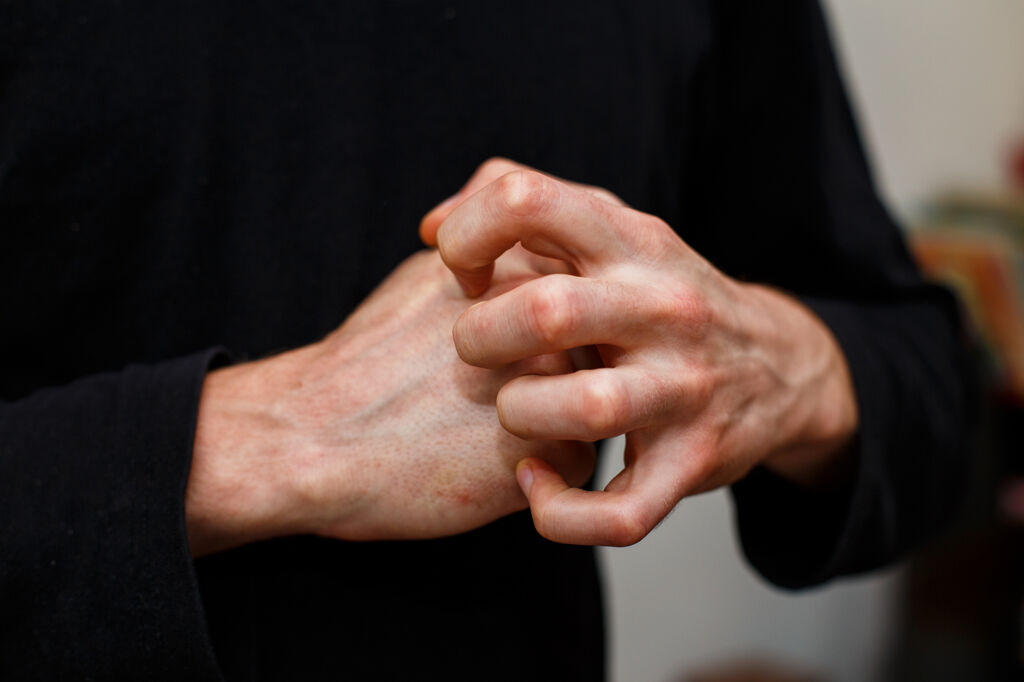
Did you know that the state of your gut can affect how your skin ages over time? This happens through the gut-skin axis which can influence aging. It also affects whether you develop different skin conditions like psoriasis, psoriasis treatment, rosacea, eczema, acne, and athlete’s foot.
In this blog, you will learn:
- What is skin aging & how does it relate to the gut-skin axis?
- How can gut health improve skin aging?
- What are natural approaches to improve skin and support anti-aging?
What is Aging?
Over time, cells and molecules in the body become damaged. Aging is driven by this cellular damage. The accumulated damage affects organs and leads to a gradual decline in the body’s ability to function. With age, people become more susceptible to diseases like cardiovascular disease, cancer, neurodegenerative diseases like dementia and others.
Inflammation in the body increases with age and is called inflammaging. Cellular damage and breakdown, genetics, changes in the gut microbiome, gut permeability, oxidative stress and DNA damage all contribute to inflammaging (Woo YR, 2024).
Skin Aging
Over time, skin loses elasticity, becoming thinner and more fragile. Wrinkles, lines, sagging, age spots and dryness appear.
There are two types of aging. Intrinsic skin aging, or chronological aging, is due to functional changes. Genetics, DNA damage and programmed cellular aging cause skin to look older. These factors are difficult to directly control. Extrinsic skin aging, or photoaging, comes from external factors like excessive sun exposure, poor diet, excess sugar intake, poor gut health, dehydration, pollution, smoking, chronic stress and hormonal changes (Woo YR, 2024). These factors are within our control and we can learn to optimize them to delay skin aging.
Gut Health & Skin Aging
The skin microbiome and skin barrier affect how skin ages. They are influenced by the gut microbiome through the gut-skin axis (Woo YR, 2024). Common gut problems can affect skin appearance.
Gut Dysbiosis
Over time, microbial diversity in the gut microbiome typically decreases. Imbalanced gut bacteria (too many bad pathogenic bacteria and not enough good healthy bacteria) is called gut dysbiosis.
Dysbiosis can cause both gut and systemic inflammation, increased intestinal permeability (leaky gut), impaired nutrient absorption and poor immune health. Gut dysbiosis often leads to gut microbiome changes, aging, inflammation and frailty, limiting health and longevity (Woo YR, 2024). Gut dysbiosis can lead to acne, eczema and psoriasis, which can accelerate skin aging.
Leaky Gut Syndrome
Gut dysbiosis results in leaky gut or increased intestinal permeability. The gut lining becomes permeable because the tight junctions of the gut lining loosen and widen. This allows toxins and undigested food particles to enter the bloodstream. This repeated leaking of bacterial components into systemic circulation increases bacterial antigens and pro-inflammatory cytokines. Extended exposure to inflammatory bacterial antigens and cytokines age the cells and the immune system. This process can create persistent, low-level systemic inflammation (Woo YR, 2024).
Inflammaging (inflammation + aging) dysregulates immune function. It disrupts the gut-skin axis. Skin can become dysbiotic and inflamed. Skin dysbiosis and inflammation cause breakouts, redness and premature wrinkles (Woo YR, 2024).
Poor Digestion & Bloating
Digestive issues (bloating, constipation, indigestion) indicate an unhealthy gut. They limit nutrient absorption, so the skin does not get the vitamins and minerals needed to stay firm and hydrated.
The Skin Microbiome & Aging
The skin hosts many bacteria and microorganisms, collectively known as the skin microbiome. These microbes contribute to skin defense mechanisms. The skin microbiome helps maintain skin barrier integrity. Together, the skin microbiome and skin barrier affect skin aging, appearance and how well skincare strategies can work (Woo YR, 2024).
The skin microbiome composition changes with age (Woo YR, 2024). Skin microbes protect against pathogenic microbes. Beneficial skin microbes compete with and crowd out potentially harmful microbes. Over time, skin becomes drier and more alkaline. This creates a conducive environment for pathogenic microbes to damage skin health.
For example, (Woo YR, 2024)
- Skin microbes that protect against UV radiation (Cyanobacteria) decrease in number (Woo YR, 2024). Other good bacteria (Cutibacterium, Staphylococcus) decrease and pathogenic microbes may increase.
- Good bacteria like Staphylococci species antagonize the skin pathogen Staphylococcus aureus. S. aureus can damage the skin barrier and contribute to inflammation which worsens inflammaging and skin aging.
- Good bacteria produce special antibiotics or interfere with signaling pathways that allow a bad bacteria like S. aureus to survive. These antagonistic mechanisms combine with antimicrobial responses to build the skin barrier defense.
- Certain strains of Cutibacterium acnes secrete an antibiotic, which inhibits S. aureus. The microbes that fight S aureus and maintain the microbial barrier are important for skin health.
The Skin Barrier & Aging
The skin barrier weakens and is less able to retain moisture as skin ages. This leads to less elasticity and difficulty maintaining hydration (Woo YR, 2024). Skin is less protected against excessive sun exposure. UV radiation increases reactive oxygen species (ROS), causing direct damage to cellular DNA, RNA and proteins (Woo YR, 2024). Too much UV radiation triggers mitochondrial dysfunction, photooxidative stress, inflammation and immune suppression, damages DNA and accelerates skin aging (Woo YR, 2024).
These factors weaken and disrupt the skin barrier. The body then triggers cytokines to restore the skin barrier. Cytokines help improve skin barrier function and restore its protective function. In aged skin, repair mechanisms might be impaired, leading to disrupted barrier function. This may cause upregulated proinflammatory cytokines and chronic inflammation in the skin.
Rehydration of the skin improves the skin barrier and can help reduce age-related systemic cytokines. Repairing and restoring the skin barrier can decrease the inflammaging process.
Improve Gut Health to Improve Skin Health
Resolve gut dysbiosis, leaky gut, indigestion, infections and other gut problems. A healthy gut improves skin via the gut-skin axis to maintain a healthy skin microbiome and skin barrier. To improve gut health and keep skin looking young, try to:
Decrease Inflammation
Gut issues increase systemic inflammation, which breaks down collagen and elastin in the skin, resulting in wrinkles and sagging. A healthy gut microbiome decreases inflammation, supports collagen production and helps maintain firm, youthful skin.
Improve Nutrient Absorption
A healthy gut absorbs essential nutrients, vitamins and minerals needed for skin health, skin elasticity, hydration and a strong skin barrier. Poor gut function hinders nutrient absorption. This prevents skin from getting the nutrients required for optimal health.
Hydration & Skin Barrier Function
A healthy gut supports the skin barrier. A strong skin barrier can better retain moisture. This keeps skin plump and reduces the appearance of fine lines. Poor gut health weakens the skin barrier, leading to dryness, irritation and increased sensitivity.
Detoxification & Clear Skin
The gut helps eliminate toxins. A healthy gut can process and remove toxins, which prevents breakouts, dullness and other skin issues. Poor gut health allows toxins to accumulate, causing oxidative stress and skin aging.
How Else Can We Support Healthy Skin Aging?
Diet and lifestyle factors keep skin looking young and healthy. This includes good gut health, skincare routine, diet and antioxidants, probiotics, prebiotics, postbiotics and effective sun protection.
Skin Care Routine & Products
Many expensive face creams promise to slow or even reverse skin aging. In reality it is not as simple as a magic cream. We need to address gut health, eat the right diet and adopt a healthy lifestyle to support skin health. A good face cream is important but is just one factor. Look out for a future blog where we will cover topical skin products for boosting collagen and anti-aging (things like Retin-A, GHK-Cu, vitamin C, hyaluronic acid, serums, etc.).
You Are What You Eat: Diet Affects Skin Aging
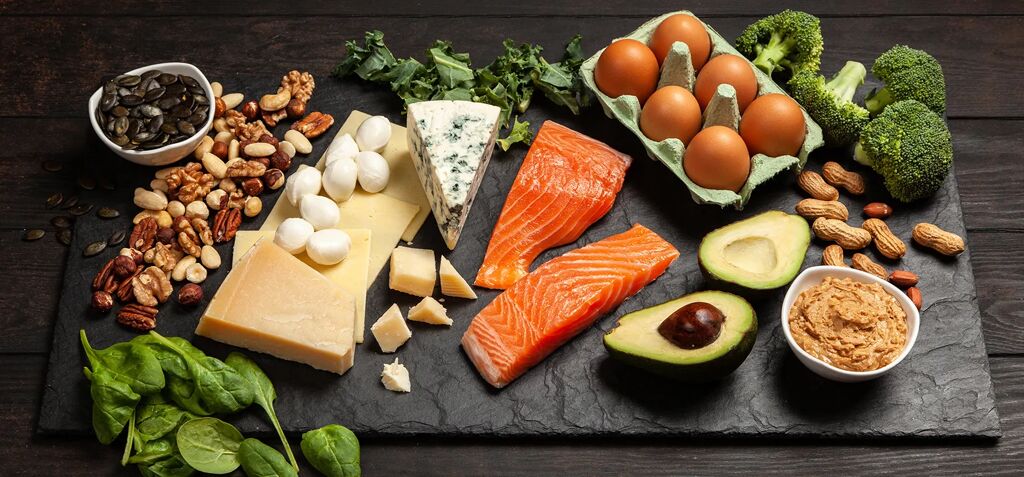
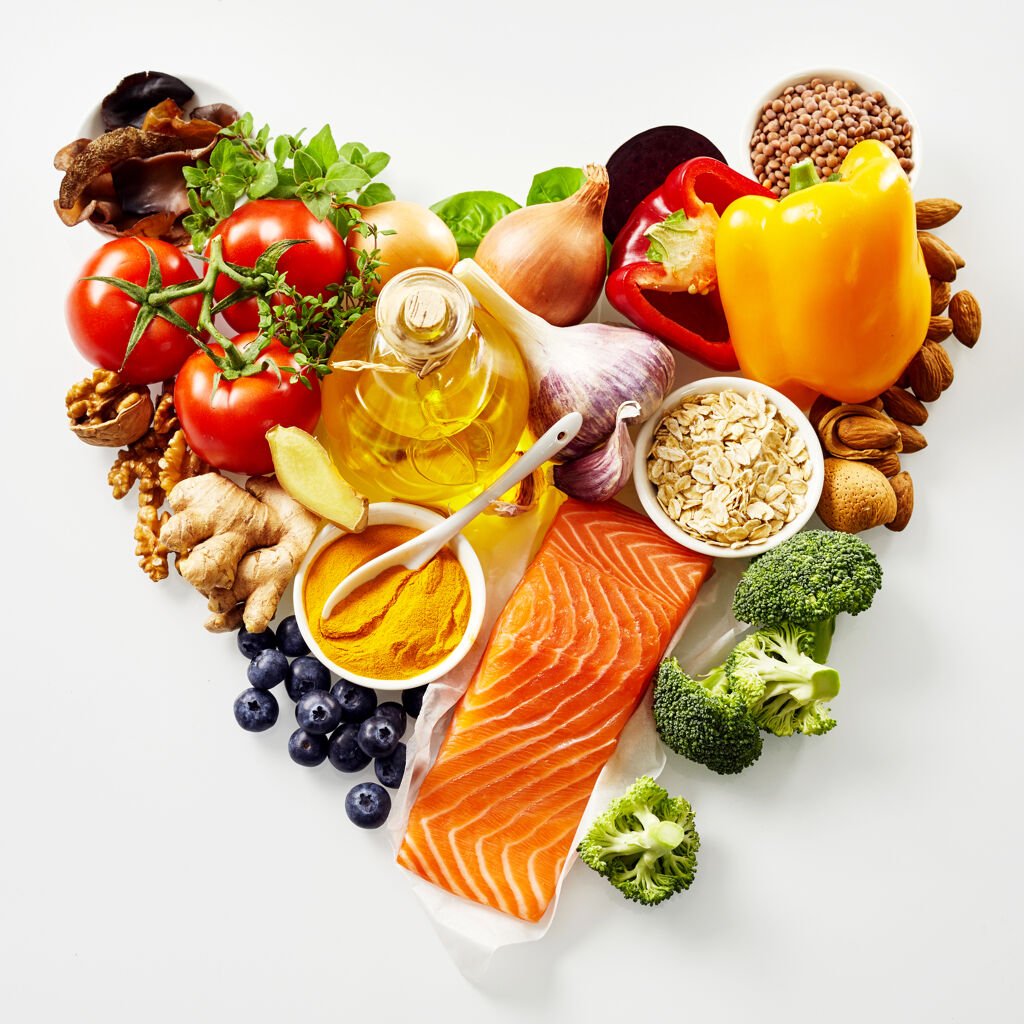
A whole foods diet is vital for youthful looking skin. Whole, unprocessed foods like vegetables, lean proteins and healthy fats are best for gut and skin health. Certain foods promote skin health while others can damage it.
To Read About Blog Topic, Scroll Down
Want To Work With Our Clinic?
Do you have a chronic or mystery illness that no one has been able to help you with? Are you simply wanting to re-connect with a healthier version of yourself? It’s Time To Finally Feel Better!
Sugar, Glycation & AGEs
Stable blood sugar is important for skin. Diets high in sugar and refined carbs damage collagen through a process called glycation. Glycation produces AGEs or advanced glycation end-products. AGEs damage collagen and elastin, causing sagging and wrinkled skin. AGEs increase inflammation and oxidative stress, which damages and ages skin.
- In research on mice, strictly controlling blood sugar for 4 months decreased collagen damage by 25% and reduced the production of AGEs (Cao C, 2020).
- In another study, high carbohydrate diets for 50 weeks weakened the skin barrier, inhibited autophagy (cellular renewal), increased inflammation and aged skin faster (Cao C, 2020).
Other factors such as ultraviolet radiation, smoking, alcohol, ultra processed foods and lack of exercise also increase AGEs (Cao C, 2020).
Antioxidants, Oxidative Stress & Inflammation
Oxidative stress increases free radicals, speeds up skin aging, fine lines and loss of elasticity and increases inflammation. Chronic inflammation damages skin barrier, accelerates skin aging and can lead to skin conditions like rosacea.
Oxidative stress and inflammatory damage are caused by multiple factors like sun exposure, pollution, poor diet, alcohol and many other factors. We can control the dietary influences. Inflammatory unhealthy fats, fried foods, processed foods and excess alcohol in the diet can cause oxidative stress, chronic inflammation and faster skin aging (Cao C, 2020).
Eating high-antioxidant foods decreases oxidative stress and the related skin damage. Fruits and vegetables are high in antioxidants.
Hydration
Skin needs adequate hydration to avoid dryness and maintain a strong skin barrier. The barrier protects against external factors like sun exposure. Water helps maintain good bacteria in the gut and supports digestion. It helps flush out toxins from the body, contributing to clearer skin.
Which Foods Slow Aging?
Antioxidant foods protect against skin damage and fight oxidative stress. Specific antioxidants are vitamin C and E, beta-carotene, selenium, zinc, coenzyme Q10, flavonoids and polyphenols. Vitamin C helps with collagen synthesis. Vitamins A and E support skin cell regeneration. High-antioxidant foods include berries, leafy greens, fruits and vegetables.
Protein helps manage blood sugar and can reduce glycation. Animal and plant-based protein build and maintain muscle strength. Protein provides amino acids needed to make collagen and elastin, which decline with age. Protein helps to maintain skin strength, firmness, elasticity and support skin aging.
Fiber supports gut health, digestion and a balanced gut microbiome. The fiber in fruits, vegetables and legumes feed beneficial bacteria in the gut, promote gut microbiome health, decrease inflammation and support gut / skin health via the gut-skin axis.
Omega 3 fatty acids are anti-inflammatory and prevent DNA damage. They do this by reducing UV radiation’s effect on skin (Wallingford SC, 2012). A high omega 3 diet improves skin barrier integrity and reduces sun sensitivity (Wallingford SC, 2012). Omega 3s are precursors to specific molecules that resolve inflammation and restore skin balance. They maintain skin cell membranes, regulate oil production to promote overall skin health. Omega 3s are found in fish (SMASH = (wild) salmon, mackerel, anchovies, sardines, herring), nuts (especially walnuts) and seeds (especially chia and flax).
Which Foods Age Skin?
Sugar and ultra processed foods cause an imbalance in gut bacteria and contribute to inflammation and glycation. Limiting sugar and ultra processed foods improves blood sugar, weight and gut health. This reduces skin inflammation, breakouts and premature wrinkles.
Omega 6 fats are found in vegetable oils (corn, sunflower, safflower, canola, etc.) and ultra processed foods. A high omega 6 intake from seed oils/ ultra processed foods increases inflammation. Omega 6s can cause oxidative damage and increase skin damage from UV radiation. UV-induced skin carcinogenesis is sensitive to the amount and type of fats in the diet. High omega 6 fats can reduce the time period between UV exposure and tumor development, increase the number of tumors and affect the development of skin carcinogenesis (Wallingford SC, 2012). High levels of omega 6 are linked to higher prostaglandin E2 levels, a molecule which can worsen UV-carcinogenesis and is linked to aggressive skin cancer growth (Wallingford SC, 2012). When sunlight interacts with skin containing omega 6 oils, it triggers inflammation and DNA damage and this skin damage can develop into skin cancer.
Alcohol is toxic, dehydrating, inflammatory, depletes important nutrients, damages DNA, causes redness and puffiness and reduces collagen and elastin. None of these properties support healthy skin aging. As much as people say ‘everything in moderation’ or x number of drinks per week is ok, the reality is that alcohol is toxic and does not support good skin or overall health.
Improve Gut & Skin Health with Probiotics
Probiotics are live, healthy bacteria/microbes. Probiotics support beneficial bacteria and the gut microbiome. They help reduce inflammation, support digestion and strengthen the gut-skin axis, resulting in healthier skin. Probiotics are in fermented foods like yogurt, kefir, sauerkraut, kimchi and probiotic supplements.
How do Probiotics Impact Skin (Woo YR, 2024)?
- The probiotic strains Lactobacillus, Bifidobacterium, Staphylococcus and Cutibacterium modulate skin pH imbalance, oxidative stress, photodamage, inflammation and improve an impaired skin barrier.
- Lactobacillus acidophilus increases skin antioxidant enzymes to boost hydration.
- Bifidobacterium breve can prevent UV damage, decreasing oxidative stress and skin barrier damage. Over 4 weeks, Bifido breve significantly improves skin hydration.
- The butyric acid produced from Staphylococcus strains downregulates UV-induced pro-inflammatory cytokines.
- Lactobacillus paracasei helps maintain immune function and prevent immune disruptions.
- Lactobacillus plantarum for 12 weeks significantly improved skin hydration, appearance and elasticity and decreased facial wrinkles.
Probiotics, prebiotics, synbiotics and postbiotics improve gut health, increase hydration, decrease wrinkle depth and can protect against UV radiation (Woo YR, 2024).
Prebiotics feed the beneficial gut bacteria. They help good gut bacteria to thrive and promote better digestion and nutrient absorption. Prebiotics significantly decrease the depth and length of facial wrinkles (Woo YR, 2024). Prebiotic foods support the gut microbiome and improve skin appearance. Prebiotic foods include onions, garlic, leeks, asparagus, bananas, apples and artichokes.
Synbiotics are a combination of probiotics and prebiotics. They provide the same benefits for skin.
Postbiotics are produced by gut bacteria in the gut. They include short-chain fatty acids (SCFAs) and bacterial fragments and are made during the digestion of prebiotics and probiotics. A topical postbiotic cream improves skin barrier, skin hydration, elasticity, skin density and number and diversity of good bacteria in the skin microbiome (Woo YR, 2024).
Excessive Sun Exposure & Photoaging
Photoaging is skin damage caused by excessive sun exposure. The skin barrier is the skin’s defense mechanism. The skin barrier weakens as part of the aging process. A weaker skin barrier can allow faster aging from the sun. This is because UV radiation causes oxidative stress which weakens the skin barrier (Woo YR, 2024). UV radiation damages collagen and elastin, leading to wrinkles, sunspots, less elasticity and a rough skin texture.
There are ways to manage sun exposure and not get too much:
- Sunscreen decreases the effect of excessive UV radiation. It protects skin from UV radiation and helps restore the skin barrier. Using an SPF of 30 + daily is helpful against UV rays.
- Limit exposure to direct sunlight, especially during peak UV hours when the sun’s ultraviolet radiation is strongest. This is between 10 am and 4 pm.
- A hat and sunglasses protect the face from excess sun.
- Eating the right diet with low omega 6 fats and lots of omega 3 and antioxidants improve the skin’s ability to withstand UV exposure. See above in the section on diet.
Stress & Skin Aging
Chronic stress negatively affects gut health, causing dysbiosis, an imbalanced gut microbiome, leaky gut and inflammation. Chronic stress can weaken the skin barrier, leading to dryness, redness and increased sensitivity. Stress hormones can break down collagen and elastin, increasing fine lines and wrinkles. Manage stress with practices like meditation, yoga and deep breathing. These can help improve gut health and slow the signs of aging.
If you are interested in optimizing your skin health to age well or need help with other skin issues then get in touch with us at the Medicine with Heart clinic. We can help you to best manage and optimize your gut-skin health!
Are You Suffering From A Chronic Illness?
Does your current health situation look like this…
- Do you feel that you have tried many things and either nothing works, or the treatment does not hold?
- Have you been told that there is nothing that can be done to reverse your illness and you just need to manage symptoms?
- Does your illness impact your work, your family, your happiness and your social life?
We specialize in finding answers and solutions for complicated chronic illness when people feel like they have tried everything. If this sounds like you, book a free call with us to see if we are the right fit for your health goals.
Dr. Miles has spoken for the following organizations: