
Gut – Skin Axis: Acne

Did you know that your gut has a huge effect on your skin? Read about the gut-skin axis and different skin conditions in our latest blog series. Read about psoriasis here and here, rosacea and eczema. Today we look at acne, another skin condition that is affected by gut health.
In this blog, you will learn:
- What is acne & how it relates to the gut-skin axis?
- What are the triggers for acne?
- How can acne be treated naturally?
WHAT IS ACNE?
Acne is a chronic inflammatory skin disease. It’s most common during adolescence, but it can happen at any age. Acne can be persistent. The root causes of acne involve genes, metabolic health, hormones and the gut-skin axis. It is complex but it can be treated, which we will cover later in this blog.
Acne can start when the sebaceous glands produce too much sebum. Sebaceous glands are located in the hair follicles. Sebaceous glands secrete sebum. Sebum is an oil that protects the skin from drying out. Sometimes sebaceous glands produce too much sebum. When this happens the sebaceous glands, hair follicles and pores of the skin get clogged with the excess sebum or oil. This can cause pimples, blackheads, whiteheads, red bumps and pus on the skin.
During puberty, hormone levels increase. Testosterone is especially relevant in the case of acne. These higher hormone levels cause the sebaceous glands to produce more sebum. The hair follicles thicken and get blocked by the excess sebum. This causes a blockage that turns into acne.
The likelihood of acne is highest in adolescents due to hormonal changes. After adolescence, the prevalence of acne decreases, although some adults still have acne. Up to 43% of people who had acne as teenagers may still have acne in their 30s and 40s (Sánchez-Pellicer P, 2022).
Diet and lifestyle are big factors for acne (Sánchez-Pellicer P, 2022). Sugar consumption, processed foods, body weight, metabolic health and gut health affect the presence and severity of acne (Sánchez-Pellicer P, 2022). Acne is very common in developed countries. Interestingly it is rare in more traditional hunter–gatherer communities (Sánchez-Pellicer P, 2022).
ACNE & THE GUT
Skin health is linked to the gut microbiome via the gut-skin axis. Gut inflammation and gut conditions negatively affect the gut-skin axis, the skin microbiome, the skin’s appearance and can lead to acne (Yu-Wen C, 2025). Gut health affects sebum production and the fatty acid composition of sebum (Yu-Wen C, 2025). Disrupted sebum can cause acne.
GUT INFLAMMATION => SYSTEMIC INFLAMMATION
Inflammation and the immune system are key factors in acne (Sánchez-Pellicer P, 2022). 70-80% of the immune system resides in the gut. If the gut is inflamed, for whatever reason, gut inflammation can cause systemic inflammation and a compromised immune system.
The inflammation can weaken and damage the skin barrier and affect the fat composition of the sebum (Deng Y, 2024). This inflames the sebaceous glands, often increasing sebum production and disrupting the skin barrier (Deng Y, 2024). Inflammatory molecules of the immune system called cytokines are often upregulated in acne lesions (Deng Y, 2024). Many gut conditions (for example IBS and constipation) are inflammatory and are significantly associated with acne (Yu-Wen C, 2025).
DYSBIOSIS
Dysbiosis is the imbalance of good and bad bacteria/ microbes in the gut. In dysbiosis, the pathogenic gut microbes outnumber the healthy ones. There are insufficient levels or not enough diversity of good bacteria/microbes and too many bad or unhealthy microbes.
People with acne often have less bacterial diversity and not enough good microbes (like Lactobacilli and Bifidobacteria) in their guts (Yu-Wen C, 2025). 54% of people with acne have significant changes in their gut flora (Yu-Wen C, 2025). This low microbe diversity affects the skin (Yu-Wen C, 2025).
HELICOBACTER PYLORI INFECTION
Helicobacter pylori, or H pylori, is a bacterial infection of the gut. It damages the stomach lining and causes inflammation of the gut. If left untreated it can lead to ulcers. People with severe acne have a higher incidence of H pylori infection and higher levels of H pylori in stool and blood tests, compared to people with mild-to-moderate acne (Yu-Wen C, 2025).
LOW SHORT CHAIN FATTY ACIDS
SCFAs, or short chain fatty acids, are important substances produced by certain gut bacteria. They are anti-inflammatory and help maintain a healthy gut barrier. Low SCFAs can result from dysbiosis when there are not enough good bacteria in the gut to produce adequate SCFAs. Low SCFAs can lead to increased intestinal permeability, or gut leakiness, and is often seen in cases of acne (Yu-Wen C, 2025).
LEAKY GUT => INFLAMMATION => ACNE
Leaky gut is when the gut lining becomes permeable or leaky. The gut lining can become damaged by tiny holes in the mucous layer of the lining. Gut damage and gut leakiness can be caused by poor diet, alcohol, stress, environmental toxins, inflammatory gut infections, dysbiosis and other factors.
A leaky gut allows undigested and/or toxic substances to leak from the gut into the bloodstream. These toxins can then circulate around the body. This causes the immune system to react against these ‘foreign objects’ that do not belong in the body. The immune system creates an inflammatory response, leading to local inflammation. In the case of leaky gut, this immune response and inflammation happens repeatedly.
If left unresolved a leaky gut causes the dysregulated inflammatory immune response to become chronic. This causes chronic systemic inflammation and contributes to inflammatory skin problems like acne.
SKIN MICROBIOME HEALTH
As in the gut, the skin is host to many microbes and has a microbiome. For example, SCFAs produced by the gut bacteria influence which bacteria grow on skin and can influence acne. The skin microbiome can also have dysbiosis. Dysbiotic skin can cause inflammatory responses which can damage the skin barrier (Deng Y, 2024). The dysbiosis can increase sebum production and the fat composition of the sebum (Deng Y, 2024). These factors can all trigger and contribute to acne (Deng Y, 2024).
EXCESS CUTIBACTERIUM ACNES ON SKIN => ACNE
Cutibacterium acnes, or C. acnes, is a commensal bacterium that lives on skin in sebum-rich areas. Under normal circumstances, it prevents pathogenic organisms from living on the skin to keep skin healthy and does not cause disease.
- acnes is the bacteria most strongly linked to causing acne. Precisely how C. acnes can cause acne is very complex. Too much C. acnes can multiply quickly and contribute to acne, especially if there is too much sebum. When the skin microbiome is dysbiotic or impaired, certain strains of C. acnes that cause acne can proliferate. For example, a pore clogged with dead skin cells and excess sebum can cause C. acnes to multiply quickly. As it grows it damages the skin pore and hair follicle, causing redness and inflammation.
ARE THERE OTHER CAUSES OF ACNE?
BLOOD SUGAR, INSULIN & HORMONES
- Eating a high sugar diet with alot of ultra processed foods, excess refined carbs and sugar raises blood sugar. High blood sugar causes high insulin. High insulin causes the sebaceous glands of the skin to produce too much sebum.
- High insulin also increases the androgen hormones (testosterone and DHT) which increase sebum production. High androgen hormones like testosterone and DHT contribute to acne. This is why acne is common in adolescence. Too much sebum is a leading cause of acne (Yu-Wen C, 2025).
- The blood sugar spikes from a high sugar diet cause inflammation, excess sebum and inflammation, causing acne breakouts (Yu-Wen C, 2025).
NUTRIENT DEFICIENCIES & POOR DIET
- Deficiencies in zinc, vitamins D, A, E, B3, B5 and B12 can affect skin health. Key nutrient deficiencies can weaken skin barrier function, reduce skin healing, increase inflammation and cause an imbalance in sebum production and sebum fat composition. All of this can cause acne breakouts.
STRESS
- Stress can increase sebum oil production, increase inflammation and dysregulate hormones. Stress increases hormones like cortisol and androgens. This can stimulate too much sebum production and cause clogged pores.
- Stress also affects skin health via the gut. Stress can weaken the gut lining, change the composition of the microbiome and ultimately cause leaky gut. This damages the gut barrier, allowing bacteria and toxins to leak into the bloodstream, causing systemic inflammation.
HOW TO TREAT ACNE
Conventional acne treatments usually focus on topical creams or medications. Antibiotics are often used. Unfortunately, these approaches don’t address the root cause(s) of acne. To treat acne, it is critical to resolve the root causes and not focus on the symptoms. This involves addressing the underlying gut issues and inflammation.
To Read About Blog Topic, Scroll Down
Want To Work With Our Clinic?
Do you have a chronic or mystery illness that no one has been able to help you with? Are you simply wanting to re-connect with a healthier version of yourself? It’s Time To Finally Feel Better!
GETTING TO THE ROOT CAUSE
Treat the gut. Any dysbiosis, inflammation, imbalances, H pylori, infections or other gut issues need to be resolved. It is vital to find and stamp out the cause of gut inflammation and leaky gut.
DIET
Diet is extremely important for good gut and skin health. Some foods worsen inflammation, gut health, blood sugar regulation, insulin production and ultimately skin health.
Excess Refined Carbs, Sugar & Dairy promote acne:
A diet of ultra processed foods and refined sugars can cause and worsen acne. High dairy and sugar foods can increase insulin. Higher insulin levels increase inflammation and is damaging to gut and skin microbiomes. High insulin levels change androgen receptor activity and raise sebum production (Deng Y, 2024).
Eating these foods, as well as being overweight/ obese, typically leads to higher insulin levels, insulin resistance and leptin imbalances which can all worsen acne (Deng Y, 2024).
- White rice, white flour pasta, bread, fast and processed food worsen acne lesions (Żygało A, 2024).
- High sugar foods, dairy products and fried fatty foods promote acne lesions (Sánchez-Pellicer P, 2022).
High-Fat Diets are to be avoided:
A high-fat diet reduces gut bacteria diversity and increases gut toxins (Sánchez-Pellicer P, 2022). Lower gut diversity and higher gut toxicity weaken the gut barrier function and increase proinflammatory cytokines. The result is gut inflammation and leaky gut, which are part of the development of acne.
Avoid omega 6 fats in highly processed vegetable oils, processed and fast foods. Soybean, canola and other oils are inflammatory and create sticky sebum. They can block vitamin A absorption, deplete zinc, raise insulin and produce a thicker sebum. This increases inflammation and clogs pores.
Focus instead on healthy fats like omega 3, fatty fish and olive oil.
Excess Protein might also be problematic:
Only eating animal protein, as on a Carnivore diet, can decrease the diversity of gut microbes (Sánchez-Pellicer P, 2022). Gut microbe diversity determines the inflammatory response, affecting the potential onset and development of acne (Sánchez-Pellicer P, 2022).
Fruits and vegetables increase gut microbiome diversity.
What is the Best Diet to Reduce Acne?
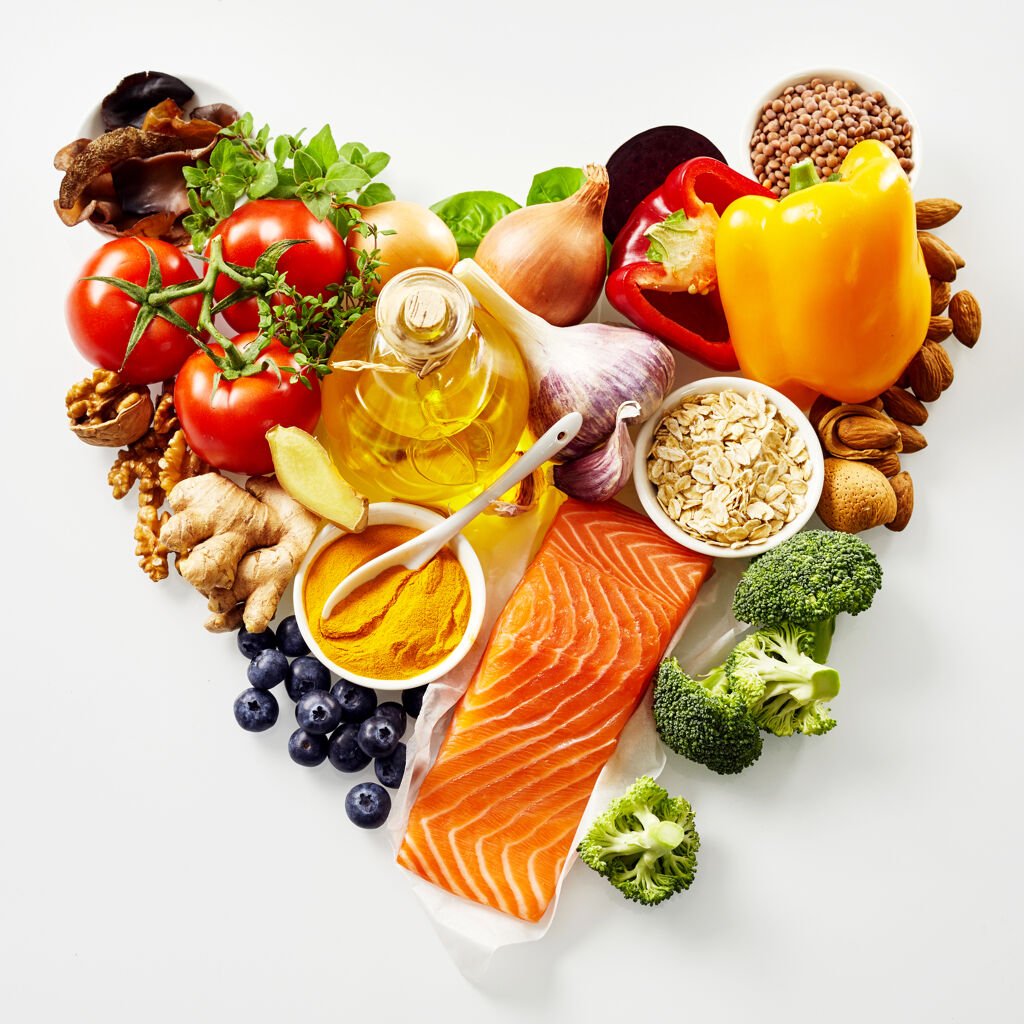
The Mediterranean diet improves acne. Research shows a direct relationship between the Mediterranean diet and acne severity (Borrego-Ruiz A, 2024). People on a Mediterranean diet have lower incidence and severity of acne while people not following a Mediterranean diet are more likely to have acne (Borrego-Ruiz A, 2024).
- Focus on natural whole foods like vegetables, fruit, grass fed beef, lamb, wild caught fish & seafood. Fruits and vegetables are protective against acne (Sánchez-Pellicer P, 2022). Avoid refined carbs, sugar, vegetable oils, inflammatory grain fed animal products.
- Limit foods that raise blood sugar too quickly such as sugar, dairy and refined carbs (white bread and pasta). A low glycemic index diet causes fewer acne breakouts than a high-GI/ high sugar diet (Sánchez-Pellicer P, 2022).
- Avoid ultra-processed foods. Ultra processed foods increase bad gut bacteria and lower gut microbe diversity.
- Red meat & shellfish have zinc. Zinc is anti-inflammatory. It can help reduce swelling and redness and decrease active breakouts in acne patients (Sánchez-Pellicer P, 2022). Zinc helps wound healing so it can help to reduce acne scarring.
- Foods high in omega 3 fatty acids like salmon and other fatty fish, chia seeds and high-quality fish oil supplements help to reduce inflammation and acne. Omega 3 fatty acids increase gut microbiome diversity and help rebalance gut dysbiosis seen with acne (Huang Y, 2023).
- Eat fermented foods. Fermented foods have live bacteria and increase the diversity in the gut microbiome.
- Hydrate well. Good hydration is necessary for both gut and skin health.
PROBIOTICS
Probiotics are beneficial for gut and skin health. They rebalance the gut microbiome, are anti-inflammatory, repair damage to the gut lining and enhance gut-skin axis health (Borrego-Ruiz A, 2024). Probiotics have huge potential in reducing and treating acne (Sánchez-Pellicer P, 2022).
- Probiotics decrease inflammatory cytokines, inflammation and oxidative stress in people with acne (Borrego-Ruiz A, 2024).
- Certain probiotic strains (Lactobacillus acidophilus, L. delbrueckii subsp. bulgaricus, and Bifidobacterium bifidum) can decrease acne lesions after 12 weeks (Borrego-Ruiz A, 2024). Lactobacillus-fermented foods reduce symptoms in people with acne (Borrego-Ruiz A, 2024).
- A probiotic lotion can reduce sebum production and improve acne lesions after 4 weeks (Borrego-Ruiz A, 2024).
- A serum with Lactobacillus plantarum is anti-inflammatory and improves acne (Borrego-Ruiz A, 2024).
- Supplementing with probiotics reduces sebum production (Borrego-Ruiz A, 2024).
- Probiotics improve inflammatory lesions as well as gut permeability (Borrego-Ruiz A, 2024).
Topical Probiotics
Research looked at a probiotic-derived lotion made of Lactobacillus paracasei MSMC 39-1. People with mild to moderate acne saw decreased acne lesions and lower C. acnes growth after 4 weeks (Sánchez-Pellicer P, 2022).
PREBIOTICS
Prebiotics are food for the good gut bacteria which improve gut and skin health. Prebiotics can help reduce acne by:
- Improving the gut-skin axis, skin and gut health
- Rebalancing the skin microbiome. They feed beneficial skin bacteria which can decrease acne-causing bacteria like C. acnes.
- Supporting live probiotic microbes to create a balanced microbiome with sufficient SCFAs.
- Improving microbe diversity, decreasing pro-inflammatory cytokines and reducing skin inflammation.
- Strengthening the skin barrier and protecting skin from environmental stressors.
Foods like garlic, onions, bananas, asparagus, apples, oats, barley, chicory root, legumes, berries, seaweed and jicama all have prebiotics. There are also prebiotic supplements and powders.
LIGHT THERAPY
Blue and red light therapy can improve active acne. Light therapy can inhibit inflammatory cytokines to decrease inflammation and redness on the skin (Deng Y, 2024). Red light therapy stimulates collagen to help scar repair, promote skin healing and improve skin texture.
Blue light is ideal for acne. It specifically targets bacteria that cause acne. It generates reactive oxygen species that kill C. acnes bacteria, a root cause of acne. Blue light can decrease acne lesions and redness, improving overall skin appearance (Deng Y, 2024).
Blue light therapy works (Akuffo-Addo E, 2024). In one study, 95% of patients treated with blue light saw improvement in acne lesions:
- 44% saw a decrease of 0% to 50% in acne lesions
- 42% saw a decrease of 51% to 74% in acne lesions
- 9% saw a decrease of 75% to 99% in acne lesions
- Average total lesion count improved by 43% after 4 weeks (Akuffo-Addo E, 2024)
STRESS MANAGEMENT
- Reduce stress. Stress can affect sebum oil production and gut lining integrity. Both high sebum oil and leaky gut contribute to acne. Decrease stress where possible and learn to manage stress for gut and skin health.
- Spend time in nature. Natural light helps the skin microbiome. Avoid too much sun and use natural sun protection when out for long times or in strong direct sunlight. Use products that will not clog pores.
SLEEP
Sleep quality can affect acne and its severity. Insufficient sleep can add to increase sebum oil production and oxidative stress. Poor sleep can trigger inflammation. This can damage the skin barrier and disrupt the skin microbiome (Deng Y, 2024).
If you are suffering from symptoms of acne or other skin issues then get in touch with us at the Medicine with Heart clinic. We can help you to best manage and optimize your gut-skin health!
Are You Suffering From A Chronic Illness?
Does your current health situation look like this…
- Do you feel that you have tried many things and either nothing works, or the treatment does not hold?
- Have you been told that there is nothing that can be done to reverse your illness and you just need to manage symptoms?
- Does your illness impact your work, your family, your happiness and your social life?
We specialize in finding answers and solutions for complicated chronic illness when people feel like they have tried everything. If this sounds like you, book a free call with us to see if we are the right fit for your health goals.
Dr. Miles has spoken for the following organizations: