
Gut – Skin Axis: Rosacea

Gut health is critical for skin health. We have recently written about the gut-skin axis, psoriasis, and psoriasis treatment. Today we look at rosacea, another skin condition related to the gut-skin axis.
In this blog, you will learn:
- What is rosacea?
- How is rosacea related to the gut and the gut-skin axis?
- What are the triggers for rosacea?
- How can rosacea be treated naturally?
What is Rosacea?
Rosacea is a chronic inflammatory skin condition primarily affecting the face. It causes redness and flushing on the cheeks, nose, forehead and chin. The redness can be temporary or may persist. Small pink or red bumps can develop on the face, particularly on the nose, forehead or cheeks.
Rosacea symptoms tend to flare and then recede. This is usually in response to triggers like sun exposure, heat, stress or certain foods. Rosacea is often chronic.
The precise cause of rosacea isn’t known but we do know it is linked to the gut–skin axis (Wang F, 2021). It involves gut issues like infection or pathogen overgrowth, combined with environmental and genetic factors. All of this results in chronic inflammation and immune dysregulation. There is a higher prevalence of gut issues like inflammatory bowel disease, celiac disease, irritable bowel syndrome, acid reflux, Helicobacter pylori infection and small intestine bacterial overgrowth in rosacea patients (De Pessemier B, 2021).
Rosacea & the Gut–Skin Axis
The gut–skin axis links the gut with skin health. See our recent blog here. Gut infections/ issues, diet, pre & probiotics, lifestyle, antibiotics, illness and medication all influence the gut microbiome. Imbalances or issues in the gut microbiome can lead to systemic inflammation, which can manifest as rosacea.
The main bacterial/ microbial strains of the gut microbiome change throughout one’s lifetime. Small changes in even one single bacterial species of the gut can result in skin inflammation (Mahmud MR, 2022). If left untreated, skin conditions like rosacea, acne, eczema or psoriasis can be the result (Mahmud MR, 2022).
Common Gut Issues that can Lead to Rosacea
Small Intestinal Bacterial Overgrowth
Small intestinal bacterial overgrowth or SIBO is an overgrowth of pathogenic bacteria in the small intestine. The bacteria primarily belong in the large intestine or colon. With SIBO, the bacteria migrate into the small intestine and are primarily bad bacteria. SIBO impairs the function of the small intestine, damaging the cell lining of the small intestine. This impairs food digestion and nutrient absorption and can lead to leaky gut. People with rosacea are more likely to have SIBO and treating SIBO (with antibiotics) often significantly improves rosacea symptoms (De Pessemier B, 2021).
Helicobacter Pylori Infection
Helicobacter pylori or H pylori is a bacterial infection found in the gut. It is inflammatory and toxic for the gut and is associated with rosacea and rosacea symptoms (De Pessemier B, 2021). With H pylori, cytotoxins are produced. These cytotoxins increase the production of pro-inflammatory cytokines such as TNF-α and IL-8. These inflammatory cytokines cause inflammation and symptoms of rosacea (Mahmud MR, 2022).
H pylori increase ROS (reactive oxygen species). ROS cause gut inflammation and leaky gut. This impacts the skin through vasodilation, inflammation and immunomodulation. This can cause rosacea.
Gut Dysbiosis
Gut dysbiosis is an imbalance in the gut microbiome, with too many bad/ harmful bacteria and not enough good/ beneficial ones. Dysbiosis is often seen in rosacea. With dysbiosis, the bad bacteria crowd out the good ones and reduce microbial diversity in the gut. People with rosacea have less microbial diversity in their guts (De Pessemier B, 2021).
Dysbiosis can increase inflammatory cytokines like IL-6 or TNF-α. This can become systemic low-grade, chronic inflammation and may cause skin inflammation. Dysbiosis can cause leaky gut and dysregulate the immune system, as seen in rosacea.
Lower Short-Chain Fatty Acids (SCFAs)
Healthy gut bacteria produce SCFAs. SCFAs are beneficial for gut health. Butyrate and other SCFAs help reduce inflammation in the gut and other parts of the body. They do this by influencing immune cell activity and inhibiting the production of pro-inflammatory cytokines. SCFAs are important for the growth of beneficial bacteria and a strong gut barrier function. SCFA also positively affect blood sugar regulation and metabolic health. In the case of dysbiosis, there are less healthy gut bacteria so fewer good bacteria produce fewer SCFAs. This can weaken and damage the gut lining and potentially worsen inflammatory skin diseases like rosacea.
Impaired Gut Barrier (Leaky Gut) & Immune Activation
Rosacea can happen if the gut is leaky. With dysbiosis, SIBO and H pylori, the gut lining may become permeable or leaky. A leaky gut lets toxins (like bad bacteria, lipopolysaccharides) leak into the bloodstream. The toxins leak out of a leaky gut and can then circulate throughout the body. This activates the immune system and, in the case of a leaky gut, happens repeatedly. The constant activation and eventually overactivation of the immune system creates inflammation, possibly starts an autoimmune process and contributes to inflammatory conditions like rosacea. Increased intestinal permeability may trigger inflammation that could exacerbate rosacea.
It is important to identify and address gut problems like dysbiosis, SIBO and H pylori. This will help to resolve leaky gut and the inflammatory process of rosacea.
Autoimmune Process
Rosacea is not currently defined as a classic autoimmune disease. However, due to leaky gut seen with rosacea, there is an overactive immune response and inflammation, similar to that seen with autoimmune diseases. This overactive immune response can trigger an autoimmune process with autoimmune-like reactions.
Rosacea is associated with other autoimmune diseases. One older study identified the association of rosace with type 1 diabetes, celiac disease, multiple sclerosis and rheumatoid arthritis in women (Egeberg A, 2016). In men, it is associated with rheumatoid arthritis (Egeberg A, 2016).
The primary gut issues of rosacea; H pylori, SIBO and/or dysbiosis, can all cause leaky gut. We have written extensively on leaky gut and autoimmunity here.
Leaky gut is a contributing factor and already present when the autoimmune process starts. This explains how rosacea can be part of an autoimmune process, even if it is not as far advanced as a fully-fledged autoimmune disease. This is why it is critical to heal the gut of infections/ imbalances and heal leaky gut. This can stop or improve the immune system dysregulation and the autoimmune process.
What else Triggers Rosacea?
Apart from gut issues, some external factors that can trigger rosacea:
Excessive Heat
With rosacea, the blood vessels in the face dilate or enlarge. Too much heat can cause blood vessels in the face to dilate. Hot weather, hot showers, saunas, fireplaces and hot drinks can all contribute to rosacea. Avoid excessive heat exposure to better manage rosacea. Stay in cool environments, use hats to block the sun, avoid hot drinks, etc.
Excessive Sun
Strong sunlight can trigger and worsen rosacea. UV radiation can inflame the skin, cause visible blood vessels and thicken the skin, which are all aspects of rosacea. To manage rosacea, minimize sun exposure. Use sunscreen. Wear protective hats and sunglasses. Stay in the shade and limit time in direct sunlight, especially during peak hours.
Diet
Certain foods can trigger or worsen rosacea. The most common triggers for rosacea are alcohol, spicy food, cinnamaldehyde-containing foods (cinnamon, tomatoes, citrus fruits, chocolate), hot drinks and histamine-rich foods (aged cheese, wine, processed meats) (Alia E, 2022).
Hot Drinks
Hot drinks like tea and coffee can be triggers for rosacea (Alia E, 2022). The heat of the drink can increase body temperature. This causes blood vessels, particularly those in the face, to widen or dilate. The widened blood vessels increase blood flow, causing more blood to rush to the face. This leads to the redness and flushing associated with rosacea. People with rosacea are sensitive to temperature changes and have an overactive response. To help reduce flares, avoid hot drinks or cool them down before drinking.
Caffeine/ Coffee
Hot drinks can be a trigger for rosacea but coffee does not increase the risk of rosacea (Guertler A, 2023). It is the heat of the drink and not the caffeine that is the trigger. In fact, the vasoconstrictive effect, or narrowing (constriction) of blood vessels, of caffeine in coffee can offset the vasodilatory effects, widening of blood vessels, of the heat of the drink (Yildirim AM, 2023). Caffeine’s vasoconstrictive effects are protective against rosacea (Yildirim AM, 2023). In research, caffeinated coffee drinkers had lower chances of a rosacea diagnosis than non-coffee drinkers (Yildirim AM, 2023). Drinking coffee more than 3 times per week is associated with a decreased risk of rosacea (Guertler A, 2023). Advice on managing rosacea may incorrectly say to avoid all hot beverages, despite the potential benefit of drinking coffee.
Alcohol
Alcohol, especially wine and spirits, is a common rosacea trigger. Red wine is worse than white wine. A higher alcohol intake correlates with a higher incidence of rosacea (Searle T, 2021). Alcohol induces vasodilation (widening of blood vessels), inflammation and oxidative stress. This can trigger rosacea. In addition, alcohol is unhealthy for the gut microbiome. Alcohol can increase pathogenic gut bacteria and create an imbalance in the microbiome. This can ultimately lead to leaky gut. Further, histamine is released as a breakdown product of alcohol. Histamine release can worsen flushing and trigger rosacea (Alia E, 2022).
Histamine
Histamine causes blood vessel dilation in the skin, skin hypersensitivity and facial flushing. Histamine is involved in the inflammatory process and immune regulation, which can trigger rosacea (Alia E, 2022). High histamine foods include tomatoes, strawberries, pineapple, dried fruits, sauerkraut/fermented foods and alcohol among others.
Niacin
Niacin might be partially responsible for the flush commonly seen with rosacea. Niacin can increase skin temperature and redden the skin due to inflammation (Searle T, 2021). Niacin is found in salmon, peanuts, tuna, liver and chicken.
Capsaicin in Spicy Foods
Spices, hot sauce, cayenne and red pepper can trigger rosacea. Capsaicin is found in large amounts in red chili, cayenne and jalapeño peppers and creates the spicy taste in these foods. Non-spicy peppers (green, bell, cherry, paprika) also contain up to 25% of the capsaicin found in spicy types (Alia E, 2022). The capsaicin in spicy foods triggers heat receptors. Capsaicin promotes blood vessel dilation and inflammation (Searle T, 2021). This leads to increased redness and flushing, worsening rosacea symptoms.
To Read About Blog Topic, Scroll Down
Want To Work With Our Clinic?
Do you have a chronic or mystery illness that no one has been able to help you with? Are you simply wanting to re-connect with a healthier version of yourself? It’s Time To Finally Feel Better!
Cinnamaldehyde-Containing Foods
Cinnamaldehyde can trigger rosacea. Cinnamaldehyde is the compound in cinnamon that gives it the cinnamon flavor. It is found in cinnamon and unrelated foods like tomato, carrot, lettuce, spinach, celery, cucumber, citrus fruit, apple and chocolate. Cinnamaldehyde can cause vasodilation (widening of blood vessels), reddening of the skin due to the inflammation and increased flushing (Alia E, 2022).
Fatty Food
Fried food such as French fries, fried chicken and other fried snacks are high in unhealthy fats that promote inflammation. A diet high in fatty foods can cause chronic inflammation. This can also increase rosacea symptoms and severity, especially in susceptible individuals (Searle T, 2021).
Is Dairy a Trigger?
A 2021 study found that the research on rosacea and dairy products (milk, cheese, yogurt) is inconclusive. Some evidence shows dairy to be a rosacea trigger and other evidence indicates that dairy could reduce rosacea severity (Searle T, 2021). For some people with rosacea, dairy can trigger flushing and redness. This may be due to lactose or to specific proteins in dairy. Dairy can be inflammatory. It is best to experiment for yourself with dairy. Remove it from your diet for a trial period of 1-3 months. Then reintroduce dairy and see how it affects rosacea symptoms. If it worsens symptoms then remove it altogether from the diet. Keep a food journal to help track foods eaten and associated rosacea symptoms.
Treatment for Rosacea
Rosacea can be treated. With Functional Medicine, we can improve and possibly resolve a case of rosacea. The first step is to identify and resolve gut issues. Equally, triggers must be identified and reduced or avoided. Light therapy, which we will discuss later in this blog, can be helpful to reduce symptoms.
Improve Gut Health
Conventional treatment for rosacea is often disappointing with frequent relapses (Wang F, 2021). This is because H pylori and SIBO must be addressed to reduce rosacea symptoms. When SIBO and H pylori are resolved, treatment is effective. Resolving SIBO and H pylori reduces the facial lesions and inflammation seen with rosacea (De Pessemier B, 2021).
To treat rosacea, first treat H pylori, SIBO and dysbiosis. Then heal the leaky gut. We provide information on healing leaky gut here or talk to us at Medicine with Heart. We can provide a detailed and personalized plan to address gut problems and rosacea.
Probiotics
Probiotics are live microorganisms found in fermented foods or supplements that improve gut health. Probiotics help restore the balance of good gut bacteria. They decrease systemic inflammation and can improve skin barrier and gut barrier function, even after damage. By promoting a healthier microbial balance, probiotics act on gut dysbiosis (Manfredini M, 2025). Reducing dysbiosis helps improve the gut barrier function, or leakiness, commonly associated with rosacea. This helps improve skin conditions and treat chronic inflammatory rosacea (Mahmud MR, 2022).
Specific probiotic strains can help treat rosacea:
- Lactobacillus and Bifidobacterium strains have anti-inflammatory effects, support skin barrier function and may reduce flare frequency.
- Lactobacillus probiotics support gut barrier integrity and reduce rosacea flares (Mahmud MR, 2022).
- Lactobacillus paracasei inhibits skin inflammation and improves skin health (Alia E, 2022).
- Escherichia coli Nissle and a mixture of Bifido and Lacto strains, in combination with topical therapies, can substantially improve rosacea symptoms, increase remission and decrease relapses (Manfredini M, 2025).
- S. boulardii decreases inflammation. S. boulardii can help restore the composition, structure and function of gut microbiota to normal levels in inflammatory gut conditions (Manfredini M, 2025).
- Topical probiotics may be an alternative to oral probiotics for skin conditions. They can decrease erythema/ skin reddening, trans-epidermal water loss and improve symptoms. Topical probiotics improve the skin barrier function and modulate local immune responses.
The effect of probiotics decreases if they are discontinued. Probiotics need to be taken daily to maintain their benefits and improve symptoms (Manfredini M, 2025).
Prebiotics
Prebiotics feed the beneficial gut bacteria. When the good bacteria consume prebiotics, they increase in number. This helps beneficial bacteria colonize the gut. More good gut bacteria produce more SCFA (short-chain fatty acids), which enhance the gut lining and help improve skin health (Alia E, 2022). Prebiotics reduce inflammation and improve digestion, the immune system and nutrient absorption.
Prebiotics are in many fruits, vegetables and whole grains. Specific foods with high prebiotics are artichokes, asparagus, bananas, berries, apple, onions, garlic, chicory root and legumes. Eating a high-fiber diet with lots of vegetables and fruit will provide prebiotics.
Avoid Rosacea Triggers
The avoidance of common triggers can reduce rosacea flares and help to better manage rosacea. Avoid excessive heat, sun exposure, certain foods and alcohol.
Diet
As rosacea involves inflammation, a compromised gut microbiome and an autoimmune process, certain diets can improve or worsen symptoms. An anti-inflammatory diet of fiber (fruit & vegetables), healthy fats and prebiotics/probiotics can reduce rosacea flare-ups. Conversely, inflammatory trigger foods like alcohol, spicy and high histamine can cause rosacea to flare.
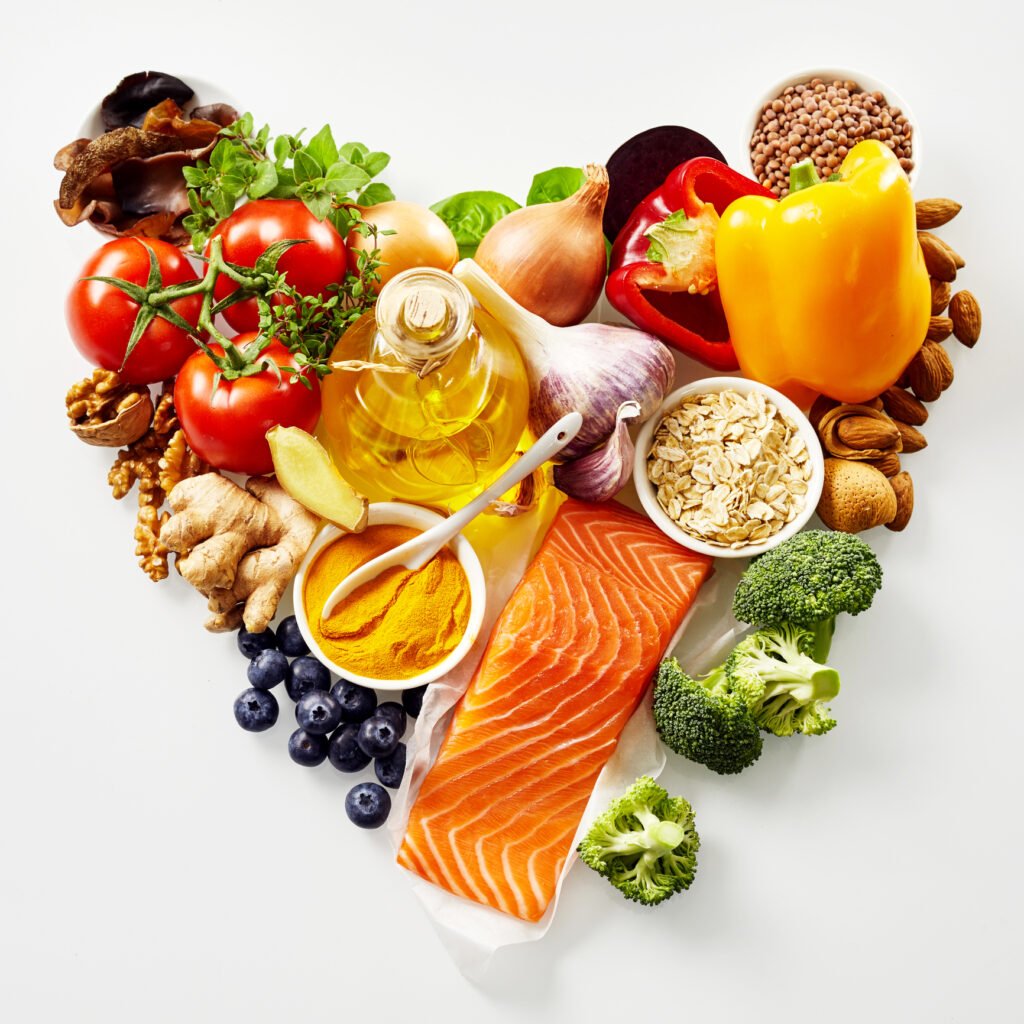
To improve rosacea and gut health, follow a high-fiber, anti-inflammatory diet with pre and probiotics (Manfredini M, 2025). The Mediterranean diet of vegetables, legumes, oily fish, olive oil, nuts and moderate meat, cheese and alcohol is a great example and is good for inflammatory skin conditions.
Foods to Include in a Rosacea Diet
- Omega-3 Fatty Acids: Found in oily fish (SMASH = wild Salmon, Mackerel, Anchovies, Sardines, Herring), nuts (esp. walnuts) and seeds (esp. chia). Omega 3 fats are anti-inflammatory and can improve skin barrier function (Guertler A, 2023).
- Probiotics: Fermented foods like yogurt, sauerkraut, kimchi, kefir and fermented drinks (kombucha) are probiotic. Probiotics improve the health of the gut microbiome and help manage rosacea.
- Prebiotics: Prebiotic foods (garlic, onion, asparagus, bananas, berries, apple, chicory root, legumes, oats) feed the good gut bacteria, increase SCFAs, improve the gut lining and gut health.
- Fiber: Fruits, vegetables, legumes and whole grains provide fiber that improves gut health and reduces inflammation. Focus on fresh or frozen whole fruits and vegetables, especially those with anti-inflammatory properties like leafy greens (spinach, kale, broccoli) and berries.
- Protein: Grass fed meats, organic chicken, turkey and legumes are good sources of protein which support overall health.
Trigger Foods to Limit or Avoid
- Spicy Foods: Capsaicin in spicy foods cause vasodilation and worsen rosacea symptoms.
- Cinnamaldehyde-Containing Foods: Cinnamon, chocolate, tomatoes and citrus fruits can trigger rosacea flare-ups in sensitive people.
- Alcohol: Red wine, in particular, and other alcoholic beverages can trigger flushing and inflammation.
- High Histamine Foods: High histamine foods (aged cheese, fermented foods, citrus, tomatoes, bananas) may trigger reactions in those sensitive to histamine.
- Sugar and Refined Carbohydrates: These can cause blood sugar spikes and inflammation, potentially exacerbating rosacea symptoms.
- Processed Foods: Limiting the intake of processed food, processed meats and fried foods reduces inflammation and the risk of rosacea.
- Extremely Hot or Cold Foods: Very hot or cold foods and drinks can trigger flushing and inflammation.
Food Journaling
Keep a food journal to identify your individual trigger foods and adjust your diet accordingly.
Red Light Therapy
Light therapy is safe, non-invasive and effective in treating rosacea (Li A, 2022). It is anti-inflammatory, calming for the skin and improves skin appearance (Li A, 2022).
The best light to use for rosacea is red LED light. Red light therapy, at 633 – 830 nm, is anti-inflammatory. Red light can increase energy production in the cells and reduce inflammation. It does not address root causes to cure rosacea, but it can improve symptoms if used consistently.
Lifestyle Factors to Improve Rosacea
Lifestyle factors do not cure rosacea but they can improve symptoms and overall quality of life. A healthy weight, an anti-inflammatory diet, low alcohol consumption, quitting smoking, minimizing & managing stress and keeping skin moisturized can significantly improve symptoms and reduce flare-ups (Zhu Q, 2023). To get to the underlying causes of rosacea, the gut–skin axis and autoimmune dysfunction need to be addressed.
- Sleep: Sleep supports good gut, immune and overall health. Read all about sleep in our sleep series here
- Exercise: Movement and exercise support a healthy gut, lower inflammation and help to improve chronic issues like autoimmunity
- Stress management: During stress, the sympathetic nervous system increases cortisol, which affects the immune response. Immune dysregulation can raise pro-inflammatory cytokines, which can worsen skin conditions. Stress can disrupt glucose and lipid metabolism, impair mitochondrial function and increase oxidative stress. These will all compromise skin barrier function and immune response (Peters EMJ, 2023). Manage stress by practicing proven techniques such as yoga, mindfulness, meditation or others.
If you are suffering from symptoms of rosacea or other skin issues then get in touch with us at the Medicine with Heart clinic. We can help you to best manage and optimize your gut-skin health!
Are You Suffering From A Chronic Illness?
Does your current health situation look like this…
- Do you feel that you have tried many things and either nothing works, or the treatment does not hold?
- Have you been told that there is nothing that can be done to reverse your illness and you just need to manage symptoms?
- Does your illness impact your work, your family, your happiness and your social life?
We specialize in finding answers and solutions for complicated chronic illness when people feel like they have tried everything. If this sounds like you, book a free call with us to see if we are the right fit for your health goals.