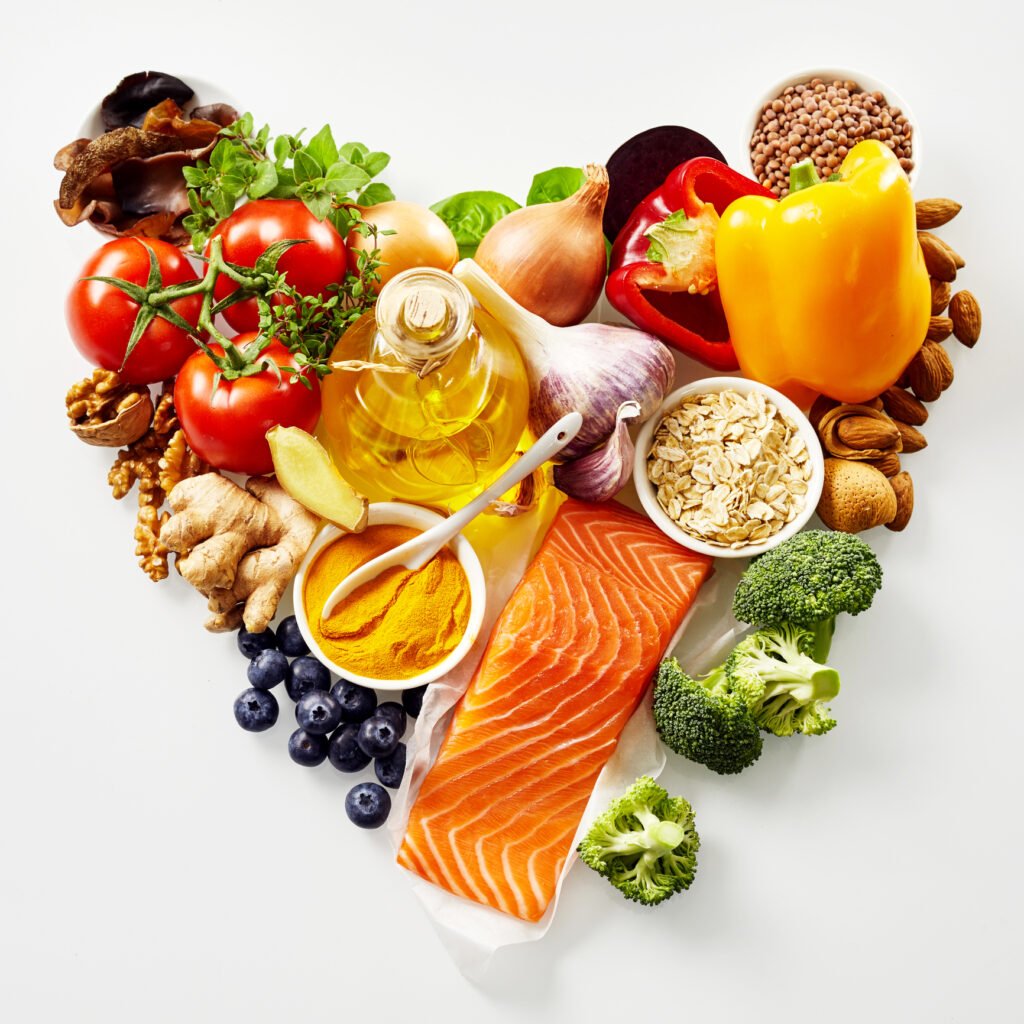

Sleep: Chrononutrition- Seasonal Eating

Timing is everything. In this blog, we will explain the best times to eat for circadian rhythm, optimal sleep and optimal health. We will look at seasonal eating and how it supports a healthy circadian rhythm. Read on for the details and how you can get better sleep by paying more attention to your diet!
In this blog, you will learn:
- What is chrono nutrition
- When is the best time to eat to support circadian rhythms and optimize sleep
- How seasonal local eating can support circadian rhythms and optimize sleep
WHAT IS CHRONO NUTRITION?
Circadian clocks manage many cycles in the body from when we sleep and eat, to cellular rhythms in gene expression and energy metabolism. The body’s circadian clocks are very sensitive to nutrient and hormone signals, which are influenced by the food we eat (Flanagan A, 2020).
Chrono nutrition looks at the interaction of the body’s circadian rhythms, nutrition and timing of eating. The foods eaten, nutrient content, the size and timing of a meal all affect circadian rhythms and can modulate cellular circadian clock systems throughout the body (Arola-Arnal A, 2019). The relationship is two-way. Circadian rhythms influence digestion, hunger and metabolism while eating, meal timing and nutrition content is one key way to train the circadian rhythm.
Chrono nutrition is how the body responds to food at different times of the day, fasting and the effect of a consistent meal schedule. It influences health and metabolic issues like overweight/obesity, high cholesterol, type 2 diabetes, high blood pressure and more. Eating at a time that interferes with circadian rhythms can disrupt these rhythms in peripheral clock tissues, such as the liver. This can disturb metabolic processes, blood sugar management and digestion.
In today’s world, what and when we eat has changed substantially. There is always high calorie food available. People often eat late at night or even in the middle of the night. These newer, more disordered eating habits and patterns disrupt and dysregulate the timing of circadian systems in the body (Flanagan A, 2020). This can have huge impacts on sleep and metabolic health (Flanagan A, 2020).
WHEN IS THE BEST TIME TO EAT?
Timing is everything, especially when it comes to eating and the body’s circadian rhythms. For optimal circadian rhythm, sleep and health, the best times to eat are:
- Eat most calories in the early part of the day when the circadian rhythm is most active.
- Eat within a consistent daily window of 12 hours or less per day to optimize digestion and circadian rhythm.
- Avoid large meals close to bedtime, during the night or even very early morning when the body may not digest and process meals efficiently.
Daytime Eating
Eating during the morning and afternoon is ideal, when the circadian rhythm is most active. This prepares the body to be most efficient at digesting, absorbing and metabolizing food (Manoogian E, 2019).
Insulin sensitivity is greater in the morning. Insulin is needed to regulate blood sugar which increases when we eat. This optimizes blood sugar regulation as larger meals are processed better when eaten in the first half of the day.
Evening Eating
Eating late at night is associated with changes in body fat, weight gain, poor ability to digest sugar, high cholesterol, higher levels of fat in the blood and is a risk factor for chronic disease (Manoogian E, 2019). A late dinner can disturb sleep via possible acid reflux, heartburn, indigestion/ poor digestion or blood sugar imbalances. Eating late is associated with a higher BMI and less sleep (Binks H, 2020).
Melatonin regulates circadian rhythm and sleep wake cycles and is released as darkness falls. As the body releases melatonin, it releases less insulin, which inhibits the ability to digest glucose. Eating a meal too closely to the time of melatonin release, late in the evening, means glucose won’t be handled properly and digestion may be off (Manoogian E, 2019).
It is best to finish eating 2-4 hours before going to sleep (Binks H, 2020).
Eating too early in the evening won’t help with sleep though. Going to bed hungry can lead to drops in blood sugar during the night. This will trigger a cortisol release to raise blood sugar which increases alertness and possible waking up in the middle of the night.
Meal Schedule
Meals help to regulate the circadian rhythm and optimize the sleep wake cycle (Schuppelius B, 2021). A consistent daily meal schedule helps with weight loss, can increase energy, improve sleep and overall quality of life and reduce metabolic risk factors for chronic disease (Manoogian E, 2019). Having dinner at roughly the same time every night supports the circadian rhythm. The body can prepare for a meal and know when to produce digestive enzymes for optimal digestion.
Eating at the exact same time every day may not always be doable. It may take some trial and error to discover the best mealtimes for you, your body and your work/family/social schedule.
Eating Windows
Eating over a longer time window and/or frequently changing that window is linked to worse sleep and overall health. In one study, people who ate during a 10-hour eating window with a 14 hour daily fast had significant weight loss and improved fasting blood glucose levels (Peeke PM, 2021). This type of eating supports the circadian rhythm. It gets the body into a routine, makes it easier to fall asleep and wake up at the same time every day and improves sleep quality (Peeke PM, 2021).
Time Restricted Eating (TRE)
TRE is eating and drinking all of your daily calories within a consistent 8 to 12-hour, or shorter, daily window. It is a type of intermittent fasting. Time Restricted Eating has positive metabolic effects. It can promote weight and fat loss, decrease cholesterol/ blood pressure/ BMI and waist circumference. TRE improves glucose tolerance and decreases insulin and triglycerides (Adafer R, 2020).
Limiting the timing of food consumption as in TRE resets and aligns the circadian clock (Adafer R, 2020).
- In animal studies TRE helps to prevent and reverse obesity and Type 2 diabetes, supports good gut bacteria and reduce inflammation (Manoogian E, 2019).
- In studies in humans, TRE of a 4 up to 11 hour daily eating window decreases blood pressure, improves insulin and blood sugar, cholesterol and blood pressure (Adafer R, 2020). It can improve weight, energy levels, sleep and appetite (Manoogian E, 2019).
- Calorie reduction happens naturally in a limited time window (Manoogian E, 2019). TRE helps to reduce grazing and snacking, which can increase calorie intake, negatively impact sleep timing and quality/ blood sugar/ digestion and ultimately metabolism (Peeke PM, 2021).
A shorter eating window is healthier. Some people eat during 10 hours/ fast for 14. If you find a short window is difficult to do based on work, family and other obligations, then at least consistently stick to a 12-hour window of eating/ 12 fasting. An eating window of 12 hours or less per day can help maintain high quality sleep (Schuppelius B, 2021).
What about a Bedtime Snack?
It depends. Ideally, dinner is completed 2-4 hours before dinner. But if you do end up feeling a little hungry before bedtime, eating something small can stabilize blood sugar levels and help to fall asleep faster. The risk of eating before bed is having acid reflux, heartburn, digestive issues, weight gain and poor sleep. Don’t make it a nightly habit, but if it is necessary because you are out of your normal routine, then choose the right snack options. Foods low in added sugar and high in fiber, with tryptophan and melatonin, can trigger sleepiness. Fruit like cherries and kiwis, nuts /nut butter are all healthy options that won’t slow down digestion or spike blood sugar in the middle of the night.
To Read About Blog Topic, Scroll Down
Want To Work With Our Clinic?
Do you have a chronic or mystery illness that no one has been able to help you with? Are you simply wanting to re-connect with a healthier version of yourself? It’s Time To Finally Feel Better!
WHAT ARE THE BENEFITS OF EATING FOR THE CIRCADIAN RHYTHM?
A stronger circadian rhythm can improve sleep quality, lower risk of disease and enhance longevity (Adafer R, 2020). It can potentially help prevent cancer, reduce inflammation and protect against neurodegenerative disease (Adafer R, 2020). Older adults with poor sleep quality are nearly 60% more likely to develop cancer vs people with good sleep quality, irrespective of family history of cancer (Song C, 2021).
Strengthening circadian rhythms via chrono nutrition /meal timing optimizes metabolism, improves health, reduces inflammation and enhances longevity. It improves metabolic markers like weight, glucose tolerance, cholesterol, blood pressure and improves gut function.
Eating against the circadian clock can negatively affect metabolic health and worsen sleep.
In mice:
- Disordered eating patterns and diet-induced obesity disrupt circadian rhythms (Flanagan A, 2020).
- Diet-induced obesity in mice is linked to tissue deterioration which is thought to disturb clock gene rhythms (Flanagan A, 2020).
- Altered eating patterns disrupt circadian clocks/ clock genes possibly by increased tissue inflammation brought on by obesity (Flanagan A, 2020).
The metabolic consequences of misaligned eating patterns and habits can be corrected by time restricting access to food, even though calories consumed remains the same (Flanagan A, 2020). Timed Restricted Eating re-trains the circadian rhythm and improves metabolic health (Flanagan A, 2020).
WHAT IS SEASONAL & LOCAL EATING?
Seasonal eating is a focus on seasonal and local foods, based on the time of year. Fruits and vegetables are naturally in season in a particular location, at a particular time of year. Seasonal eating influences nutrient levels in foods, the circadian clock and even health and disease outcomes.
Higher Nutrition Content
Seasonal local foods grown in the right conditions are the most nutrient dense with the highest polyphenol content. Polyphenols are healthy molecules found in plant foods with beneficial health properties like anticarcinogenic, antiallergic, anti-inflammatory, antiproliferative, antiviral and antioxidant.
Polyphenol content in seasonal foods is affected by growing conditions, light exposure, water availability, temperature, storage and any post harvesting treatments/ processing (Arola-Arnal A, 2019).
Polyphenols & Circadian Rhythms
Seasonal eating even affects how the body receives the food. Polyphenols in food are chrono-regulators which help to regulate the circadian clock (Arola-Arnal A, 2019). The polyphenol content and nutrition in seasonal foods affect metabolism and circadian rhythms. Equally, circadian rhythm influences the health outcomes of polyphenols (Arola-Arnal A, 2019).
- In rats, eating cherries out of season increases glucose and insulin levels (Arola-Arnal A, 2019).
- Eating out-of-season oranges in rats also led to higher insulin resistance and cholesterol dysregulation (Arola-Arnal A, 2019).
- The polyphenol EGCG (found in green tea) can regulate and normalize the rhythmic expression of circadian clock genes in mice (Arola-Arnal A, 2019).
- The polyphenol resveratrol (found in grapes and red wine) can restore and correct circadian desynchrony in biological clock genes and clock-controlled genes (Arola-Arnal A, 2019).
- The polyphenol cinnamic acid (in fruit) can shorten the circadian cycle in mice (Arola-Arnal A, 2019).
- Fruit rich in polyphenols can counteract the metabolic changes related to obesity. The polyphenols can restore the desynchronized biological rhythm that happens from lifestyle behaviors leading to obesity (poor diet, sedentary, etc.).
- Polyphenols can modulate the central and peripheral circadian clocks in cells (Arola-Arnal A, 2019). They can normalize the rhythmic expression of important metabolic-related gene transcripts and metabolites (Arola-Arnal A, 2019).
More Polyphenols:
The bioavailability of polyphenols in tomatoes is affected by the seasonal daylight growing conditions of the tomatoes (Cruz-Carrión A, 2022). In-season tomatoes increase polyphenol circulation in the body (Cruz-Carrión A, 2022).
Location matters too. Tomatoes grown in different countries (Spain, South Africa, England and Scotland) had different polyphenol content. The polyphenol content was 21.5, 16.0, 3.4 and 6.6 mg/kg, respectively. The warmer, more traditional locations for tomato-growing; Spain and South Africa; provided more nutrition-dense tomatoes with more polyphenols (Cruz-Carrión A, 2022).
Storage also affects polyphenol content. The polyphenol content decreases during the storage of tomatoes (Cruz-Carrión A, 2022).
*********
If you aren’t getting quality sleep and suspect your diet may be the reason, then get in touch with us at the Medicine with Heart clinic. We can help to dial in your diet and get your sleep on track!
** Follow us for our next blog on sleep and circadian rhythms. **
SUMMARY
- Both chrono nutrition and seasonal eating support and optimize the body’s circadian rhythms, sleep and overall health.
- Chrono nutrition looks at the interaction of the body’s circadian rhythms, nutrition and timing of eating.
- When we eat affects sleep and metabolic health. It is best to eat most calories during the day when the circadian rhythm is most active. Eat within a consistent daily window of 12 hours or less per day. Avoid large meals close to bedtime and finish dinner 2-4 hours before bed.
- Seasonal eating is a focus on seasonal local foods, based on the time of year. Seasonal eating influences nutrient levels in foods, the circadian clock and health.
- Seasonal local foods are the most nutrient dense with the highest polyphenol content.
- The polyphenol content and nutrition in seasonal foods affect circadian rhythms. Equally, circadian rhythm influences the health outcomes of polyphenols (Arola-Arnal A, 2019).
- Eating to align circadian rhythms via meal timing, chrono nutrition and seasonal eating optimizes circadian rhythms. This improves sleep quality, enhances overall health and longevity and reduces disease.
As always, please get in touch with us. If you or someone you know is struggling with sleep issues, contact our clinic today. We can work on any issue(s) and improve your health. Book a free health evaluation call with us today. We can answer your questions and book an initial consult with a functional medicine doctor in our clinic.
Are You Suffering From A Chronic Illness?
Does your current health situation look like this…
- Do you feel that you have tried many things and either nothing works, or the treatment does not hold?
- Have you been told that there is nothing that can be done to reverse your illness and you just need to manage symptoms?
- Does your illness impact your work, your family, your happiness and your social life?
We specialize in finding answers and solutions for complicated chronic illness when people feel like they have tried everything. If this sounds like you, book a free call with us to see if we are the right fit for your health goals.