
B12 Deficiency Anemia
Did you know that there are different types of anemia? Today we look at anemia caused by vitamin B12 or folate deficiency.
A B12 or folate deficiency can develop into megaloblastic anemia if not treated properly. B12 vitamin deficiency is somewhat common and subclinical B12 deficiency can also occur. A folate deficiency is actually extremely rare. So, for this blog we will refer to this type of anemia as B12 deficiency anemia or megaloblastic anemia.
- The prevalence of B12 deficiency in the US is 6-12% (Gonzalez Velez M, 2019).
- Many more people may have sub optimal levels of B12 with accompanying (mild or not) symptoms.
- The prevalence of folate deficiency is low at <1%, due to the fortification of many foods (Gonzalez Velez M, 2019).
- Older people are more at risk. B12 absorption from food decreases with age. Approx. 20% of people 60 years and older are deficient in vitamin B12 (Ankar A, 2025).
Our previous blog explained B12 deficiency’s negative effects on health. We also wrote about antibodies, autoimmunity and B12 deficiency.
In this blog, we will look at anemia caused by B12 deficiency. You will learn:
- What types of anemia exist
- What is B12 or folate deficiency anemia, also called megaloblastic anemia
- What causes B12 deficiency anemia/ megaloblastic anemia
- What is the treatment for B12 deficiency anemia/ megaloblastic anemia
What is Anemia?
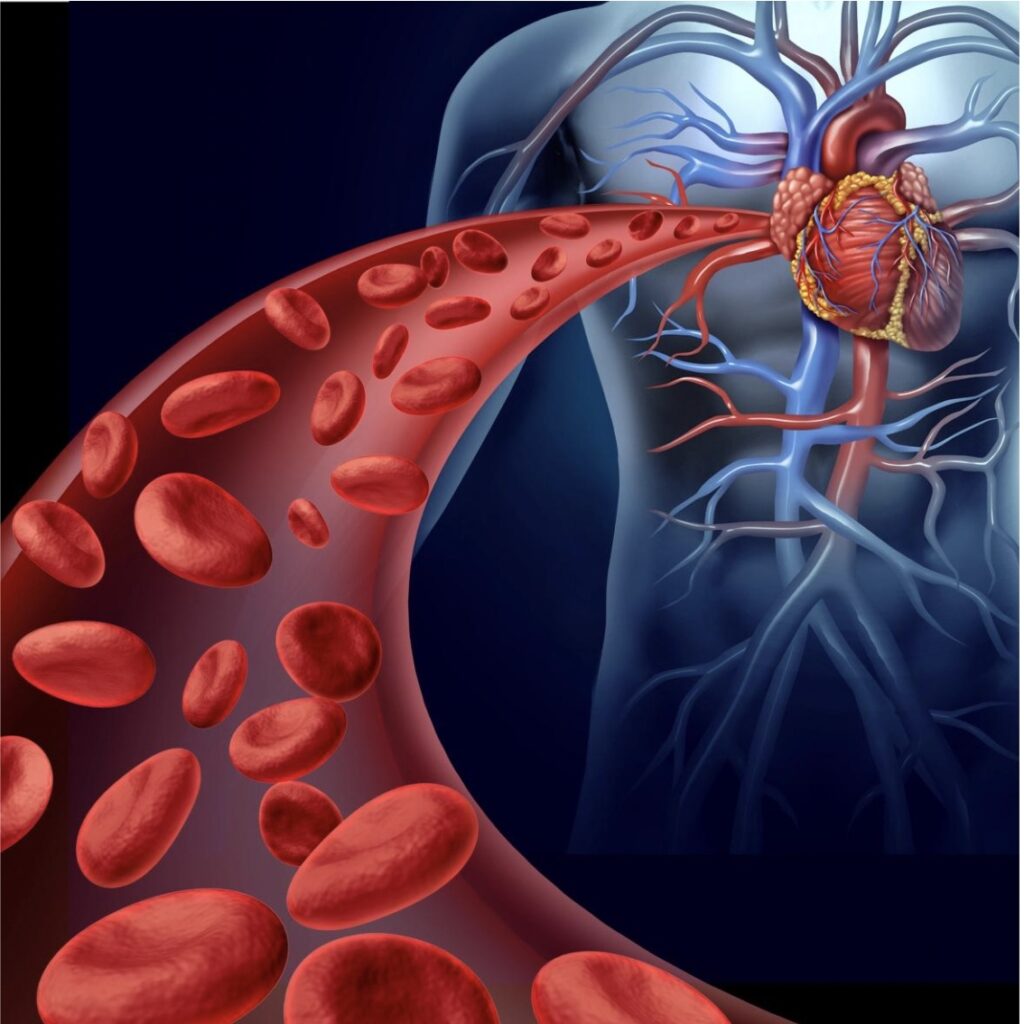
Anemia is a deficiency of either red blood cells (which carry oxygen around to the body’s tissues) or hemoglobin (also carries oxygen to the body’s tissues) in the blood. With anemia, there are not enough healthy red blood cells to carry sufficient oxygen around. Or hemoglobin is too low, which causes insufficient oxygen around the body.
Anemia’s key symptoms are fatigue, weakness, shortness of breath, dizziness, light-headedness or headaches, a fast heartbeat or palpitations, pale skin, cold feet or hands.
It may be short term or long-term, it can be mild or severe. It can be a stand-alone problem or a warning sign of serious illness.
Is Anemia Common?
- In 2023, the overall prevalence of anemia in the general population was 9.3% (Williams AM, 2024).
- It is higher in women at 13.0% than in men at 5.5% (Williams AM, 2024).
- Anemia is highest in adults 60+ years old at 12.5% and lowest in children aged 2–11 at 4.7% (Williams AM, 2024).
- Anemia’s prevalence increases with lower income and decreases with higher family income (Williams AM, 2024).
- Approximately 1-2% cases of anemia are due to B12 deficiency (Ankar A, 2025).
How Many Types of Anemia are there?
- Nutritional anemias: Vitamin B12 deficiency anemia, Folate deficiency anemia, Iron deficiency anemia, Pernicious anemia
- Genetic anemias: Sickle cell anemia, Thalassemia
- Bone marrow failure: Aplastic anemia
- Increased red cell destruction: Hemolytic anemia
- Disease-related anemia: Anemia of chronic disease
Which Factors Increase the Risk of Anemia?
- A diet low in vitamins and minerals such as iron, vitamin B12 and folate
- Problems with the small intestine: Crohn’s disease and celiac disease
- Menstrual periods: Heavy periods cause the loss of red blood cells
- Pregnancy, particularly if folate and iron are not supplemented
- Chronic illness: Cancer, kidney failure, diabetes or other chronic conditions can reduce red blood cells and increase anemia of chronic disease
- Slow, chronic blood loss from an ulcer
- Family history can increase genetic anemia like sickle cell anemia
- Autoimmune conditions, certain infections or blood diseases increase the risk of anemia
- Excessive alcohol consumption, exposure to toxic chemicals can affect red blood cell production and lead to anemia
- Some medicines
- Age: Over age 65 increases risk of anemia
What is B12 Deficiency Anemia or Megaloblastic Anemia?
Vitamin B12 deficiency anemia is anemia caused by low B12 levels. In this type of anemia, low B12 has progressed enough to affect red blood cell production. Blood test markers reflect anemia: low hemoglobin, high MCV and others. Symptoms include fatigue, weakness, shortness of breath, pale skin and possible neurologic symptoms.
Megaloblastic anemia can also be caused by folate deficiency but the prevalence of folate deficiency is very low at <1% of the general population (Gonzalez Velez M, 2019).
What Causes B12 Deficiency Anemia?
We wrote a previous blog on B12 deficiency and its causes. The causes of B12 deficiency anemia are similar:
Pernicious anemia: In this autoimmune condition, the body produces antibodies that disrupt B12 absorption. This causes a B12 deficiency. Over time, lack of B12 can cause the symptoms of pernicious anemia: fatigue, weakness and nerve damage. See our previous blog here.
Diet: A diet low in B12, for example vegetarian or vegan, can lead to B12 deficiency. A restrictive or generally poor, low-nutrient diet over a few years can lead to B12 deficiency and eventually B12 deficiency anemia.
To Read About Blog Topic, Scroll Down
Want To Work With Our Clinic?
Do you have a chronic or mystery illness that no one has been able to help you with? Are you simply wanting to re-connect with a healthier version of yourself? It’s Time To Finally Feel Better!
Malabsorption of B12: A number of B12 absorption issues can occur. Lack of intrinsic factor, antibodies against parietal cells or intrinsic factor and others can cause poor absorption of B12 which can become B12 deficiency anemia.
Medications: Some medications, anticonvulsants and proton pump inhibitors (PPIs) for example, can affect B12 absorption.
How is Testing & Diagnosing B12 Deficiency Anemia Performed?
Blood tests are used to test for and diagnose B12 deficiency anemia. The tests to check for this type of anemia include:
CBC (Complete Blood Count): In a CBC, a decrease in hemoglobin and/ or hematocrit can reflect anemia. Hemoglobin <13 g/dL in men and <12 g/dL in women may indicate anemia. Hematocrit <41.0% in men and <36.0% in women may indicate anemia. Mean corpuscular volume (MCV) measures the size of red blood cells. A high MCV (>100 fL) means RBCs are larger than normal and can indicate anemia.
Serum B12: The reference range for B12 in conventional medicine is 200-1100 pg/mL. A normal B12 range is defined from 300 pg/mL to 1100. Borderline is 200–300 pg/mL and low or deficient B12 is defined as <200 pg/mL. In functional medicine, the optimal range is higher, at 800-1000 pg/mL. This level supports energy, mental clarity, muscle tone, efficient detoxification and a healthy nervous system.
Homocysteine: The B vitamins B6, B12 and folate break down homocysteine. Homocysteine cannot convert to methionine without B12 so low B12 can increase homocysteine. High homocysteine can indicate anemia. This slows down DNA synthesis and can cause anemia (Ankar A, 2025). The optimal level of homocysteine in functional medicine is below 8 μmol/L, with an ideal range between 5-7 μmol/L. The normal reference range of homocysteine level is < 15.
Methylmalonic acid (MMA): High MMA is one of the earliest and most specific indicators of B12 deficiency. MMA, unlike homocysteine, is not influenced by folate or vitamin B6. MMA levels increase when B12 is deficient. MMA often increases before B12 falls below the deficiency cut-off of 200 pg/mL. MMA is useful to identify subclinical B12 deficiency when B12 is still in the low-normal range 201–350 pg/mL) (Ankar A, 2025). High MMA + high homocysteine contribute to myelin damage and can cause neuropathy, dementia and other problems (Ankar A, 2025). Normal MMA levels are usually under 0.40 µmol/L.
Folate levels: Although rare, low folate can cause megaloblastic anemia. The reference range of serum folate level varies by age. For adults: 2-20 ng/mL and for children: 5-21 ng/mL are the normal ranges.
Auto antibodies for intrinsic factor: The intrinsic factor normal range is 1.21 to 1.52 AU/mL. A blood test will show positive or negative for the intrinsic factor blocking antibody or intrinsic factor binding antibody. Less than 1.20 AU/mL is considered negative and more than 1.53 AU/mL is positive for IF antibodies.
Auto antibodies for parietal cells: Parietal cell antibodies damage parietal cells which are needed to make intrinsic factor and absorb B12 well. The ranges for parietal cell antibodies are: 0.0-20.0 Units = negative, 20.1-24.9 Units = equivocal or unclear, 25.0 Units or greater= positive for PC antibodies.
How is B12 Deficiency Anemia Treated?
We need to be sure of the diagnosis and root cause of B12 deficiency anemia. To do this, check serum B12, a Complete Blood Count, MMA, homocysteine and folate levels. It is also important to identify the root cause which could be pernicious anemia, malabsorption, diet, meds like metformin or another reason.
Vitamin B12 replacement is used to treat low B12 levels and its symptoms. A B12 shot is necessary in cases of impaired absorption due to pernicious anemia, digestive tract problems (Crohn’s, celiac, gastritis) or antibodies to intrinsic factor or parietal cells. An intramuscular methyl cobalamin B12 shot is typically needed once per week for 4–6 weeks, then monthly. If absorption works well, then a methyl cobalamin B12 supplement of 1000–2000 mcg daily is recommended.
Identify and manage the underlying root cause for B12 deficiency anemia. Lifelong B12 shots may be needed for pernicious anemia or irreversible malabsorption. If diet is the cause of low B12, then add B12 foods to the diet. Or if vegan/ vegetarian then use B12 supplements. Foods that are high in vitamin B12 are organ meats, clams, sardines, beef and tuna.
Review any medication prescriptions that may be causing B12 deficiency and ideally discontinue them.
Monitor the response to treatment. Check after 2–3 weeks that hemoglobin starts to rise. Repeat a CBC and B12 blood test after 4–8 weeks.
It is not recommended to preemptively take B12 if anemia or a deficiency has not been diagnosed.
If you have B12 deficiency anemia or B12 deficient symptoms, then get in touch with us at the Medicine with Heart clinic. We can develop a treatment plan for managing B12 deficiency anemia for you, to manage and optimize your B12 levels.
Are You Suffering From A Chronic Illness?
Does your current health situation look like this…
- Do you feel that you have tried many things and either nothing works, or the treatment does not hold?
- Have you been told that there is nothing that can be done to reverse your illness and you just need to manage symptoms?
- Does your illness impact your work, your family, your happiness and your social life?
We specialize in finding answers and solutions for complicated chronic illness when people feel like they have tried everything. If this sounds like you, book a free call with us to see if we are the right fit for your health goals.